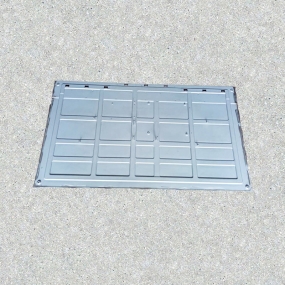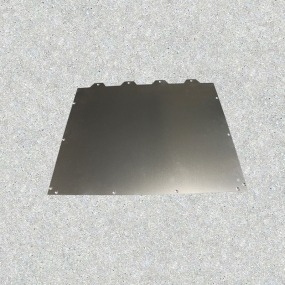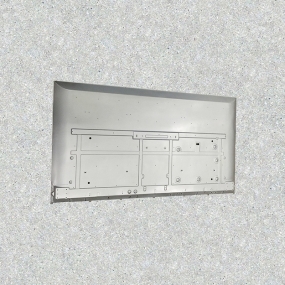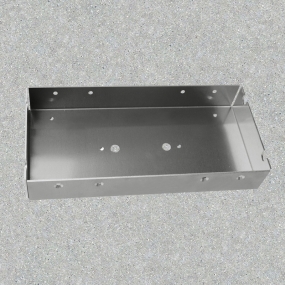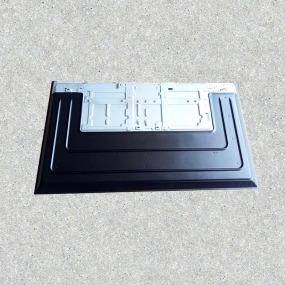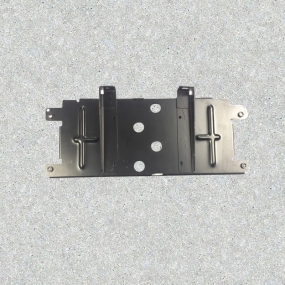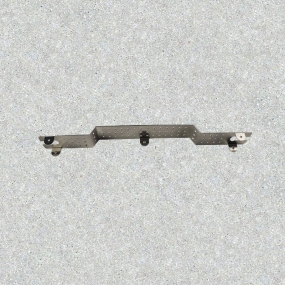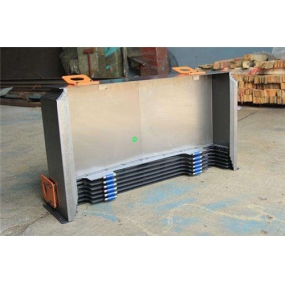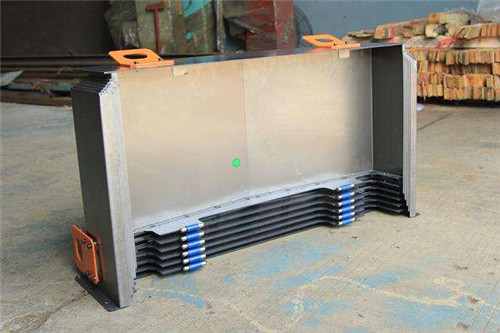
Sheet metal processing of steel plate cover is an important manufacturing process used to create protective covers for machines, electrical systems, vehicles, and many other industrial products. A well-made steel plate cover can protect valuable equipment from dust, moisture, impact, and other external damage.
For example, in a manufacturing plant, machines often work in environments with metal chips, oil, and dust. A properly processed steel plate cover can protect sensitive parts, reduce maintenance needs, and improve equipment service life. Understanding the complete process, from material selection to quality inspection, helps businesses choose reliable covers that match their working conditions.
Steel plate covers are not simply metal sheets placed over equipment. They are carefully designed components that must provide protection while meeting requirements for strength, size, appearance, and installation.
The quality of the cover depends on many factors, including the steel material, plate thickness, processing method, and inspection standards. Poor processing may cause problems such as incorrect fitting, weak protection, rusting, or early damage.
Professional sheet metal processing of steel plate cover ensures that the final product can perform reliably in different environments, from factories and construction sites to electrical equipment rooms.
Choosing the correct material is one of the first and most important steps in manufacturing a steel plate cover. Different applications require different steel properties. The right choice improves durability, reduces costs, and ensures the cover works effectively.
The material selection for steel plate cover depends on factors such as environment, load requirements, corrosion resistance, and budget.
The thickness of the steel plate directly affects the strength, weight, and cost of the cover. A thicker plate provides better impact resistance but increases material use and manufacturing difficulty.
For lightweight protection, a 1–2 mm steel plate may be enough. However, industrial equipment working in harsh environments may require a thicker 5–10 mm plate to prevent damage from impact or vibration.
Selecting the correct thickness helps achieve a balance between protection, cost, and installation requirements.
The manufacturing process involves several steps to transform flat steel plates into accurate and functional covers. The main processing techniques for steel plate cover include cutting, bending, welding, and assembly.
Cutting is the first stage of steel plate cover production. The goal is to create the correct shape and size according to the design drawing.
Accurate cutting reduces later processing problems and ensures that the final cover matches the required dimensions.
Bending gives the flat steel plate its three-dimensional shape. A press brake machine is usually used to create angles, edges, and box-like structures.
During bending, manufacturers must consider factors such as bending angle, material thickness, and spring-back effect. If these factors are not controlled properly, the cover may not fit correctly during installation.
For example, a machine protection cover may require several precise bends to completely surround the equipment while allowing easy access for maintenance.
Some steel plate covers are made from multiple parts. Welding is used to connect these sections and create a strong structure.
Common welding methods include MIG welding, TIG welding, and arc welding. MIG welding is often used for general mild steel covers because it provides efficient and stable results.
After welding, manufacturers remove sharp edges and improve weld surfaces to enhance safety and appearance. Additional parts such as hinges, handles, and locking systems can also be installed during assembly.
Quality control is essential because steel plate covers must fit accurately and provide long-term protection. Professional manufacturers use inspection procedures throughout production to prevent defects.
The quality control in steel plate cover processing begins with checking the dimensions of the finished product.
Manufacturers use measuring tools such as calipers, measuring tapes, and coordinate measuring machines (CMMs) to check length, width, height, hole positions, and bending angles.
For example, a cover designed for a specific machine must match the equipment size exactly. Even a small dimensional error may cause installation difficulties or reduce protection performance.
The surface condition of a steel plate cover affects both appearance and durability. Inspectors check for problems such as scratches, dents, uneven surfaces, and welding defects.
A smooth surface is especially important when the cover requires painting or protective coating. A properly prepared surface allows coatings to attach better and improves corrosion resistance.
Before delivery, manufacturers may check assembly accuracy, structural strength, and protective performance. These inspections help ensure that the cover can handle real working conditions.
Steel plate covers are widely used because they provide strong protection and reliable performance. The applications of steel plate cover can be found across many industries.
Factories often use steel plate covers to protect machines from dust, chips, coolant, and accidental impacts.
For example, a steel cover on a milling machine can prevent metal chips from spreading and protect internal components from contamination. This helps reduce downtime and maintenance costs.
Steel plate covers are also widely used for electrical cabinets, control panels, and power equipment.
These covers protect internal components from dust, moisture, and accidental contact. In some cases, they also help reduce electromagnetic interference and improve equipment safety.
Vehicles and construction equipment often require strong steel covers to protect important parts. Engine covers, protective panels, and equipment guards are examples where steel plate processing provides reliable protection.
The advantages of steel plate cover in sheet metal processing make it a popular choice for many industries.
Because of these advantages, steel plate covers remain an important solution for protecting equipment and improving operational safety.
Choosing an experienced manufacturer is important for achieving reliable steel plate covers. EMAR has professional experience in sheet metal processing of steel plate cover, supporting customers with suitable materials, accurate manufacturing processes, and strict quality management.
EMAR understands that different industries have different requirements. By analyzing application conditions, the team can recommend suitable steel types, plate thicknesses, and processing methods to create covers that meet practical needs.
From precision cutting and bending to welding, finishing, and inspection, EMAR focuses on producing high-quality steel plate covers with consistent performance. Their quality control approach helps ensure dimensional accuracy, good surface condition, and reliable protection for industrial and commercial applications.
The sheet metal processing of steel plate cover involves many important steps, including material selection, cutting, bending, welding, and quality inspection. Each step affects the strength, durability, and performance of the final product.
By choosing the correct material, applying suitable processing techniques, and maintaining strict quality control, manufacturers can produce steel plate covers that protect equipment effectively and provide long-term value. Companies with professional experience, such as EMAR, can help customers achieve reliable solutions for different industrial applications.