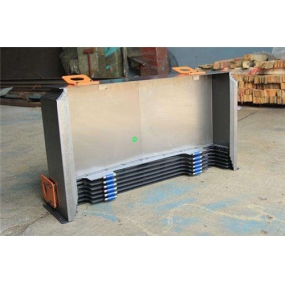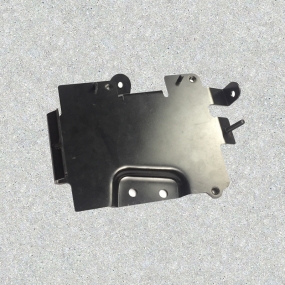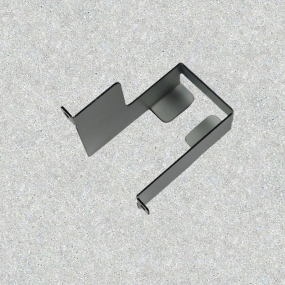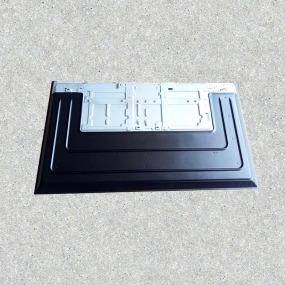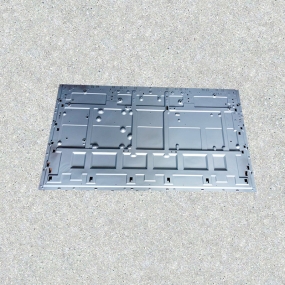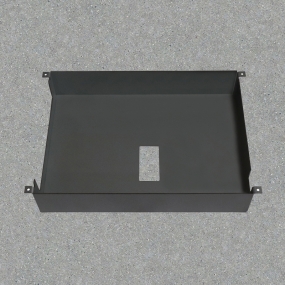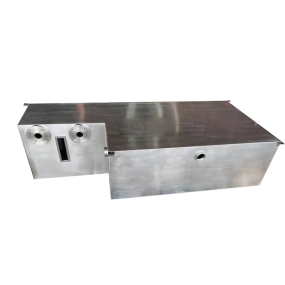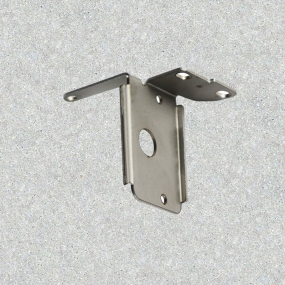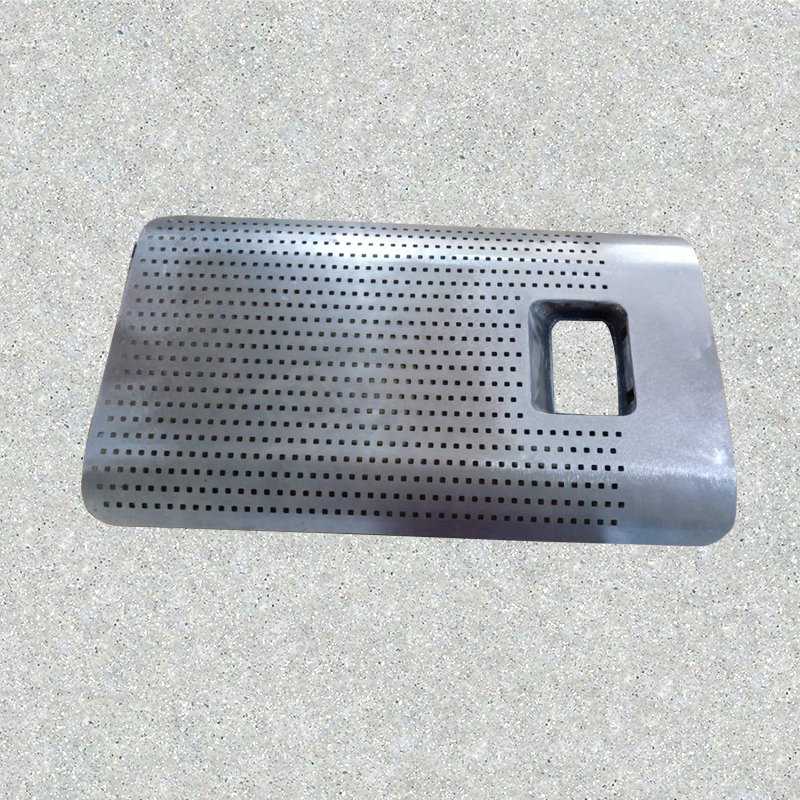
Iron mesh sheet metal processing is a manufacturing method that combines iron mesh production with sheet metal processing to create strong, useful, and customized metal products. These products are widely used in construction, industrial equipment, security fencing, filtration systems, ventilation covers, and many other applications.
For businesses and engineers, understanding how iron mesh is made, how it is formed, and how quality is controlled can help them choose the right material and processing method. Professional manufacturers, such as EMAR, provide customized iron mesh sheet metal processing services to meet different size, strength, and application requirements.
Iron mesh sheet metal processing refers to the process of manufacturing iron mesh materials and then further processing them into finished or semi-finished sheet metal parts. The process usually includes selecting suitable iron materials, creating the mesh structure, cutting the mesh into required sizes, forming the sheet, and applying surface treatments.
Unlike ordinary flat metal sheets, iron mesh has many openings that allow air, light, liquid, or small particles to pass through. When combined with sheet metal forming techniques, it can become a strong structure with both protection and functional advantages.
For example, a construction company may need a metal safety panel that allows airflow while preventing people from entering dangerous areas. Iron mesh sheet metal processing can produce a customized panel with the correct opening size, strength, and shape.
The material selection is one of the most important steps in types of iron in iron mesh sheet metal processing. Different iron materials provide different levels of strength, corrosion resistance, and cost efficiency.
Mild steel is one of the most commonly used materials for iron mesh processing. It contains a low amount of carbon, which makes it easy to cut, bend, weld, and form.
Galvanized iron is coated with a layer of zinc to improve corrosion resistance. It is a popular choice for outdoor applications where the material may contact rain or humidity.
Some projects may require special iron alloys or coated iron materials. These options can provide improved strength, appearance, or environmental resistance depending on the working conditions.
When selecting materials, manufacturers consider factors such as load requirements, installation location, exposure to weather, and product lifespan.
The quality and performance of iron mesh products depend greatly on the manufacturing methods. The main processing techniques for iron mesh sheet metal include mesh production, cutting, welding, and sheet metal forming.
One common method of producing iron mesh is weaving. Metal wires are arranged and connected together to create a uniform mesh pattern.
The weaving process allows manufacturers to control:
For applications requiring higher strength, welded mesh is often used. In welded mesh production, metal wires are placed in a grid pattern and joined at connection points through welding.
After the mesh is produced, it is cut into the required dimensions. Common cutting methods include:
Accurate cutting helps ensure that the final product fits correctly during installation.
After cutting, the iron mesh can be processed like other sheet metal parts. Common forming methods include:
A professional manufacturer uses suitable equipment and methods to prevent mesh deformation during processing.
The applications of iron mesh sheet metal processing are extensive because iron mesh combines strength, ventilation, visibility, and flexibility.
In construction projects, iron mesh sheet metal products are used for:
For example, a factory may install customized mesh panels around machinery areas to improve safety while allowing workers to observe equipment operation.
Iron mesh is widely used for fences because it provides protection while maintaining visibility. It is commonly found in:
The open structure of iron mesh makes it suitable for air and liquid flow applications. Examples include:
Good design is essential for creating a product that works properly. Important design considerations in iron mesh sheet metal processing include mesh size, sheet dimensions, shape, and installation requirements.
The mesh opening size affects product performance. Smaller openings provide better protection and filtration, while larger openings allow more airflow and visibility.
For example:
The length, width, and thickness of the sheet should match the installation area. Incorrect dimensions can create fitting problems and increase installation costs.
Iron mesh sheet metal products can be designed in many forms, including:
Engineers should also consider fixing points, load requirements, and connection methods before production.
Reliable quality inspection is necessary to ensure that iron mesh products meet customer expectations. Quality control in iron mesh sheet metal processing covers material checks, production inspection, and final product testing.
Manufacturers check whether the mesh structure is complete and stable. Important inspection points include:
The finished sheet should have accurate dimensions and proper flatness. Inspectors check:
Surface treatment quality is also important, especially for outdoor products. Inspection may include checking coating coverage, rust protection, and surface appearance.
Companies like EMAR focus on precision manufacturing and strict inspection processes to help customers receive durable and accurately customized iron mesh sheet metal products.
Choosing the right manufacturer can improve product quality, reduce production problems, and save costs. Customers should consider:
EMAR provides professional iron mesh sheet metal processing solutions, supporting customers with customized designs, accurate manufacturing, and quality-focused production. Whether for industrial equipment, construction projects, or protective structures, professional processing helps create reliable metal products.
Iron mesh sheet metal processing combines the advantages of iron mesh and sheet metal manufacturing to create strong, practical, and customizable products. By selecting suitable materials, using proper processing techniques, applying careful design principles, and maintaining strict quality control, manufacturers can produce iron mesh components for many industries.
Understanding materials, production methods, applications, and inspection standards helps customers make better decisions when developing new metal products. Working with an experienced processing company like EMAR can provide efficient solutions for different iron mesh sheet metal requirements.