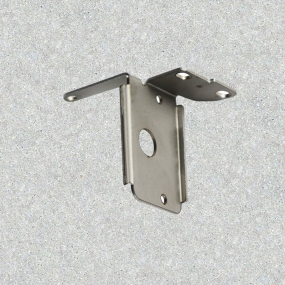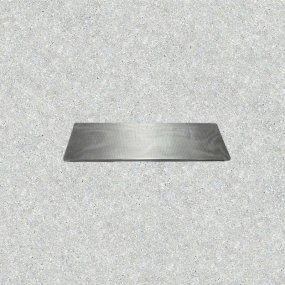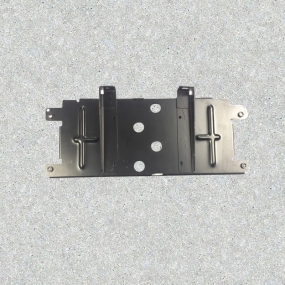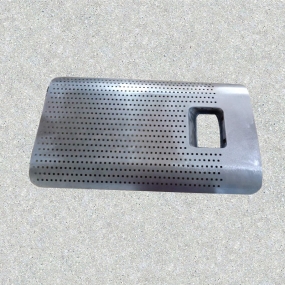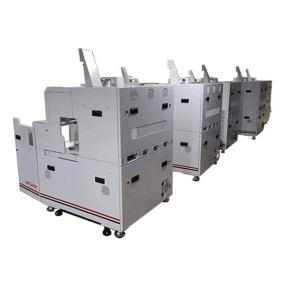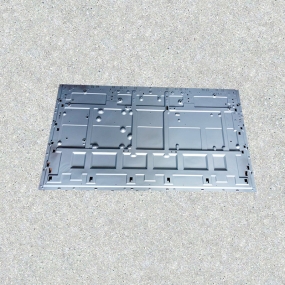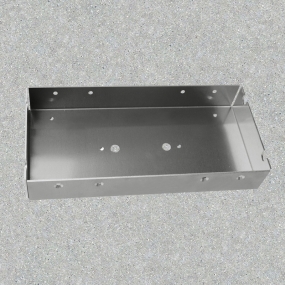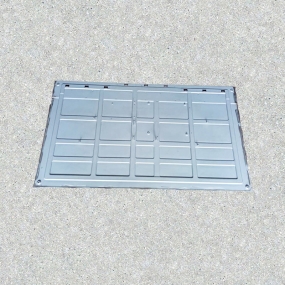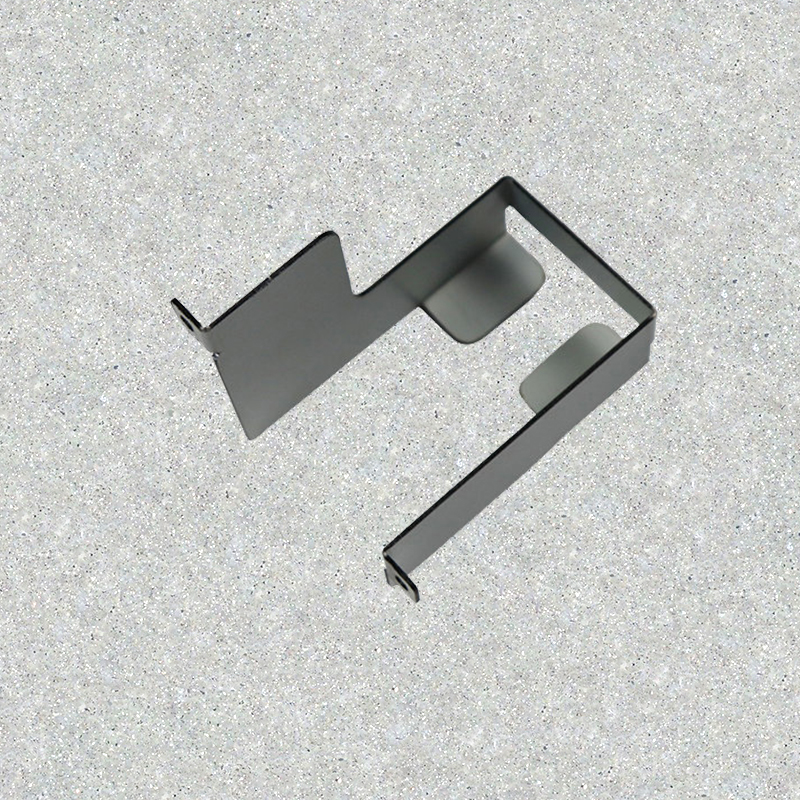
Support sheet metal processing is an important manufacturing method used to create metal support parts for machines, equipment, vehicles, electronic products, and many industrial systems. These support components are designed to hold, connect, or protect other parts while providing enough strength and stability.
Many customers need customized support parts because standard products may not match their exact requirements. Through professional sheet metal processing, manufacturers can produce supports with specific sizes, shapes, holes, bends, and surface finishes. Understanding the materials, production methods, design requirements, and inspection steps helps customers choose the right solution.
Support sheet metal processing refers to the process of turning flat metal sheets into useful support structures through cutting, bending, stamping, welding, and surface treatment. These parts can be simple brackets or complex frames used for supporting heavy loads.
Common examples include:
A reliable support component must have good strength, accurate dimensions, and proper connection points. Poorly designed supports may cause installation problems, vibration, or early failure.
The choice of metal material directly affects the strength, weight, cost, and service life of support components. Different applications require different material properties.
Steel is one of the most common materials used in materials in support sheet metal processing. It has high strength and good durability, making it suitable for heavy-duty support parts.
Carbon steel is often used for general applications, while stainless steel is selected when corrosion resistance and a cleaner appearance are needed.
Aluminum is another popular choice for support sheet metal parts. It is lighter than steel and naturally resistant to corrosion.
For example, an electronic device manufacturer may choose aluminum supports because they reduce product weight while maintaining enough strength.
When selecting materials, customers should consider:
Different manufacturing methods are combined to create accurate and durable support components. The main processing techniques for support sheet metal include cutting, bending, and stamping.
Cutting is usually the first step in sheet metal production. It creates the basic shape of the support part from a metal sheet.
Common cutting methods include:
Accurate cutting helps reduce later adjustment work and improves final assembly quality.
Bending changes the flat metal sheet into a three-dimensional support structure. Proper bending improves strength because folded shapes can resist forces better than flat sheets.
For example, a bent L-shaped bracket can support equipment more effectively than a simple flat plate because the angle provides additional stability.
Stamping uses special tools to form metal parts quickly. It is suitable for producing large quantities of identical support components.
Stamping can create features such as:
Good design is essential for creating reliable support parts. The main design factors in support sheet metal processing include load capacity, shape stability, and connection points.
The first design question is: how much weight must the support hold?
Engineers consider:
A support used for a heavy machine requires thicker material and stronger structures than a small electronic device bracket.
The shape of a support part affects its strength. Proper designs often use bends, ribs, or reinforced areas to improve stability.
Common stable designs include:
A well-designed shape can increase strength without greatly increasing material cost.
Connection points must match the other parts of the product. Designers need to consider:
Incorrect hole locations can cause assembly delays, so accurate design drawings are very important.
Accurate dimensions are necessary for support parts to fit correctly with other components. The precision needs in support sheet metal processing depend on the application and assembly requirements.
Important precision factors include:
For many industrial applications, small dimensional errors can create installation problems. Professional manufacturers use measuring tools and inspection equipment to maintain consistent accuracy.
Customers should provide clear drawings or 3D models with required dimensions and tolerances. This helps manufacturers produce parts that fit correctly the first time.
Quality control ensures that every support component meets performance and appearance requirements. Strong quality management is a key part of professional manufacturing.
The main quality control in support sheet metal processing steps include:
Before production begins, manufacturers check the metal sheets to confirm material type, thickness, and quality. This prevents problems caused by incorrect materials.
Finished parts are measured to confirm that sizes, holes, and bending angles meet design requirements.
Inspection tools may include:
Support parts may need strength checks to confirm they can handle expected loads. Testing helps identify weak areas before products are delivered.
Surface treatment improves appearance and protects metal from corrosion. Common finishes include:
Checking surface quality helps ensure the final product looks professional and lasts longer.
Professional manufacturers combine engineering knowledge, advanced equipment, and quality management systems to produce reliable support components. A skilled supplier can help improve designs, reduce production problems, and achieve better cost control.
EMAR provides customized support sheet metal processing services for different industries. With experience in material selection, precision fabrication, and quality inspection, EMAR helps customers create support parts that meet specific application requirements. From prototype development to mass production, professional guidance can make the manufacturing process more efficient and reliable.
Support sheet metal processing plays an important role in modern manufacturing by creating strong and accurate support components for many industries. Choosing the right material, applying suitable processing techniques, considering important design factors, maintaining precision, and following strict quality control procedures are all necessary for successful results.
Whether the project requires a simple bracket or a complex support structure, working with an experienced sheet metal processing partner can help ensure better performance, easier installation, and longer product life.