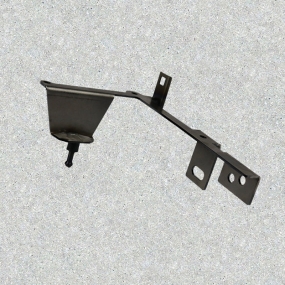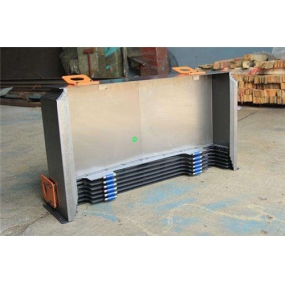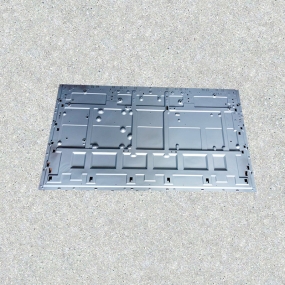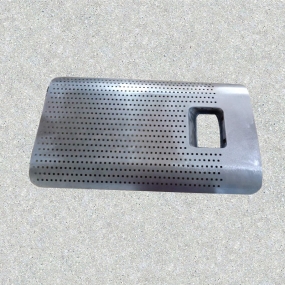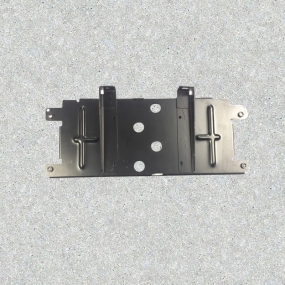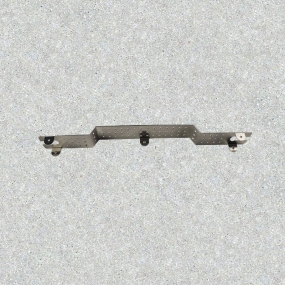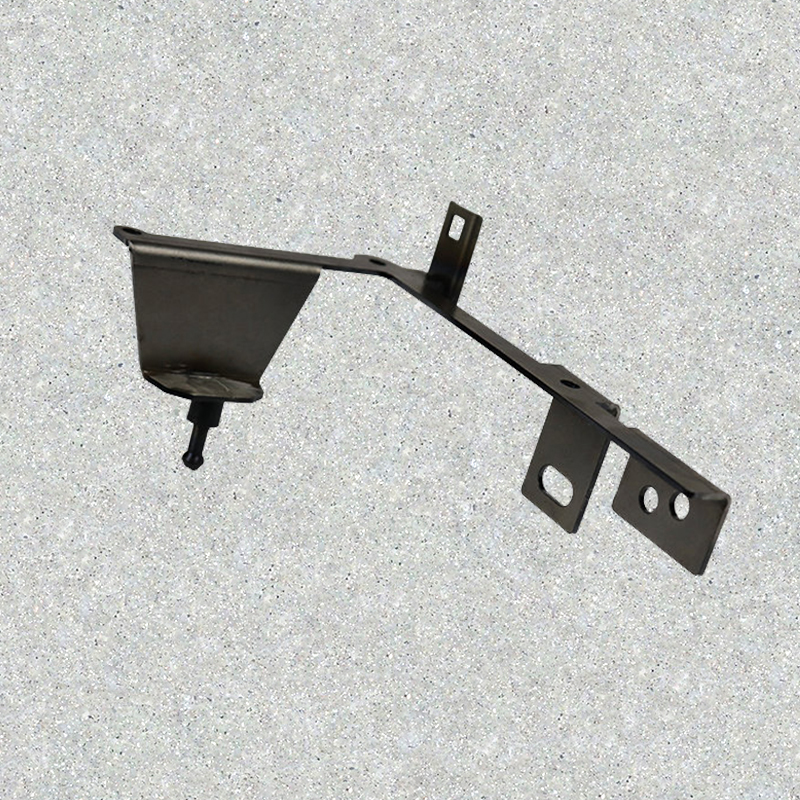
Customized processing of opposite sex sheet metal refers to the manufacturing process of creating sheet metal parts with special, irregular, or non-standard shapes according to a customer's design requirements. Unlike common flat or simple sheet metal products, opposite sex sheet metal parts often have unique curves, angles, holes, bends, and three-dimensional structures. These customized parts are widely used in equipment housings, industrial machines, electronic devices, transportation systems, construction projects, and many other fields.
For companies that need metal parts with special shapes and accurate dimensions, customized Sheet Metal Processing provides a flexible solution. Professional manufacturers use advanced cutting, bending, forming, and inspection methods to turn drawings or ideas into reliable metal components. EMAR provides customized opposite sex sheet metal processing services, helping customers create high-quality parts that match different application requirements.
Opposite sex sheet metal means sheet metal components that do not follow regular shapes such as simple rectangles or circles. These parts may include complex curves, uneven edges, special openings, or combined bending structures. The purpose of customized processing of opposite sex sheet metal is to produce metal parts that fit specific equipment or product designs.
For example, a machine manufacturer may need a protective cover with curved edges and precise mounting holes. An electronics company may require a special metal enclosure that matches internal components. In these cases, standard sheet metal products cannot meet the requirements, so customized processing is necessary.
The customization process usually includes:
Material selection in opposite sex sheet metal customization is one of the most important steps because different metals have different strength, weight, corrosion resistance, and processing performance. Choosing the right material helps ensure that the final product works safely and lasts longer.
When selecting a material, manufacturers should consider the working environment, required strength, budget, appearance, and future maintenance needs. A professional supplier like EMAR can recommend suitable materials based on the customer's application.
Processing techniques for opposite sex sheet metal include several manufacturing methods that help create complex shapes while maintaining accuracy and strength. The correct processing method depends on the design, material, thickness, and production quantity.
Cutting is the first step in many sheet metal customization projects. Common cutting methods include laser cutting, CNC cutting, and other precision cutting processes. These methods allow manufacturers to create special outlines, holes, slots, and detailed patterns.
For example, a custom machine panel may require many ventilation holes and mounting openings. Precision cutting ensures that these features are placed correctly.
Bending changes flat metal sheets into three-dimensional shapes. CNC bending machines can create accurate angles and curves according to design drawings.
Proper bending is important because incorrect angles may cause problems during assembly. For example, a metal enclosure with inaccurate bends may not fit electronic components properly.
For parts with special curves or unusual structures, forming techniques are used to create the required shape. These processes can include stretching, pressing, or special forming methods.
Complex forming is often needed for automotive parts, industrial covers, and customized equipment shells where smooth surfaces and unique shapes are required.
Some opposite sex sheet metal parts are made by joining multiple pieces together. Welding can create strong connections and complete complicated structures. After welding, manufacturers may perform grinding and surface treatment to improve appearance.
Design considerations in opposite sex sheet metal customization directly affect the quality, cost, and usability of the final product. A good design should not only look correct but also consider manufacturing difficulty and practical use.
A detailed drawing or 3D model can help manufacturers understand the customer's expectations and reduce production problems.
Precision requirements in opposite sex sheet metal processing are essential because customized parts often need to fit with other components. Even small size errors can affect assembly, performance, or product appearance.
Important precision factors include:
Tolerance requirements depend on the product application. For example, a decorative metal cover may require good appearance, while a precision equipment part may need tighter dimensional control.
Quality control in opposite sex sheet metal customization ensures that every finished part meets customer expectations. A reliable manufacturer checks the product throughout the production process instead of only inspecting the final item.
Good quality control reduces production mistakes and improves product reliability. EMAR follows professional inspection procedures to help customers receive customized sheet metal parts with stable quality and accurate results.
Customized opposite sex sheet metal parts are used in many industries because they can meet special design requirements.
For example, an agricultural equipment company may need a curved protective cover that can withstand outdoor conditions. By selecting galvanized steel, using precision cutting and bending, and applying corrosion-resistant treatment, the manufacturer can create a durable customized solution.
Choosing the right manufacturer is important for successful customized sheet metal projects. Customers should consider:
EMAR offers professional customized processing of opposite sex sheet metal services, supporting customers from material selection and design review to production and quality inspection. With experience in sheet metal manufacturing, EMAR helps businesses develop reliable metal parts for different industries.
Customized processing of opposite sex sheet metal allows manufacturers to create special metal components that cannot be produced through standard methods. By selecting suitable materials, applying proper processing techniques, following careful design considerations, controlling precision, and maintaining strict quality inspection, customized sheet metal parts can achieve excellent performance and long service life.
Whether the requirement is a complex machine cover, a special equipment housing, or a unique industrial component, working with an experienced manufacturer can make the process easier and more reliable. Professional services from companies like EMAR provide customers with practical solutions for high-quality customized sheet metal production.