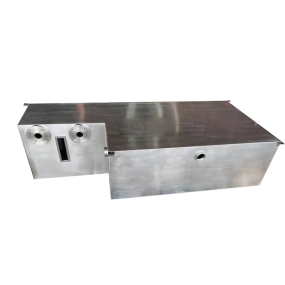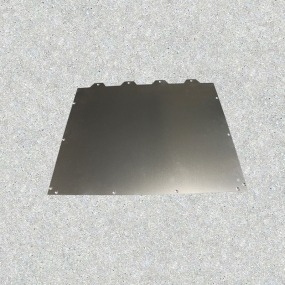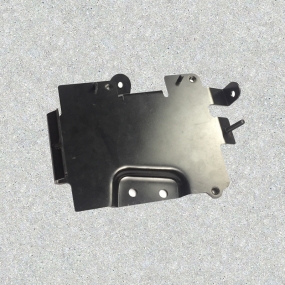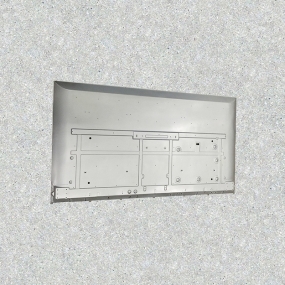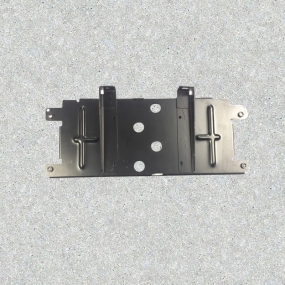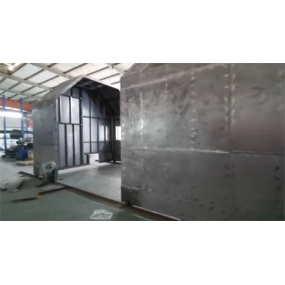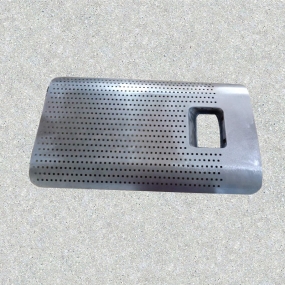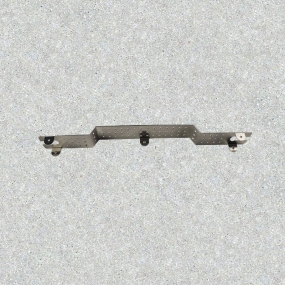

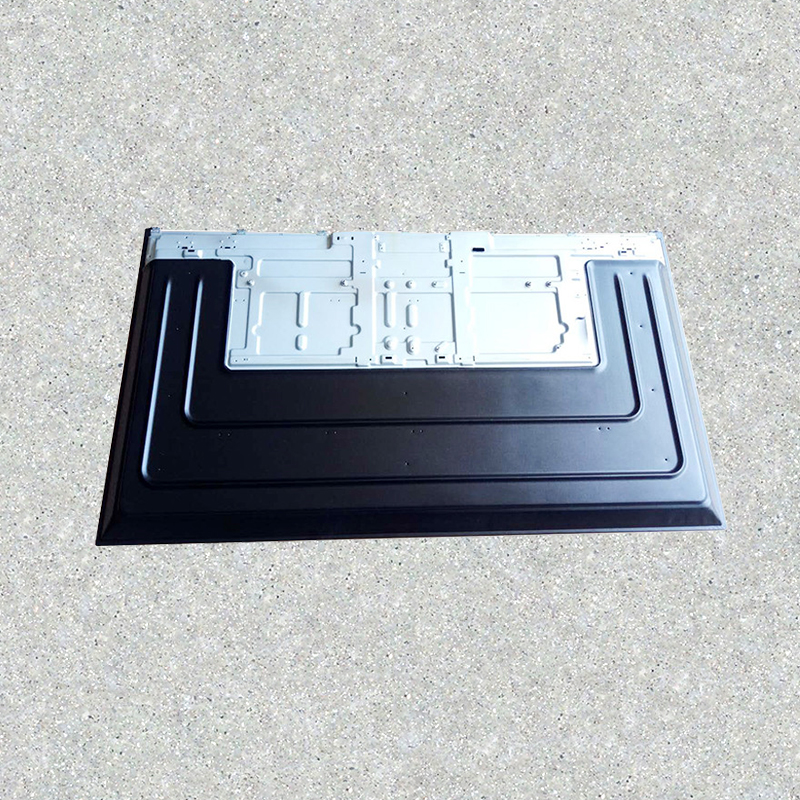
A backplate is an important metal component used to support, protect, and connect different parts in many industries. It can be found in electronic equipment, machinery, automotive parts, cabinets, displays, and industrial devices. Good sheet metal processing backplate processing helps create backplates that are strong, accurate, durable, and suitable for specific applications.
For businesses that need customized metal parts, understanding the full manufacturing process is important. From choosing the right material to checking final quality, every step affects the performance of the backplate. Professional manufacturers such as EMAR provide customized sheet metal processing solutions, helping customers create backplates that meet different size, strength, and application requirements.
Sheet metal processing backplate processing refers to the manufacturing process of turning metal sheets into finished backplate components through cutting, bending, forming, welding, and surface treatment. The process uses advanced equipment and careful control to produce parts with accurate dimensions and reliable performance.
A backplate is usually designed to:
Because backplates are often installed with other components, even small size errors can cause assembly problems. This is why professional sheet metal processing is necessary.
The first step in producing a high-quality backplate is choosing the correct metal material. Different metals provide different advantages, so the selection depends on the product environment, strength requirements, weight limits, and budget.
Steel is one of the most common materials used in backplate manufacturing. It offers high strength, good durability, and excellent resistance to impact.
For example, a factory machine may require a steel backplate because the part needs to support heavy components and withstand vibration.
Aluminum is another popular choice because it is lightweight and naturally resistant to corrosion.
When designing a backplate for electronic equipment, aluminum can be a good option because it helps reduce overall product weight while improving heat management.
Depending on the application, manufacturers may also use stainless steel, galvanized steel, or special alloys. These materials can provide additional corrosion resistance, appearance quality, or special mechanical properties.
After material selection, the metal sheet goes through several manufacturing steps. The correct processing techniques for sheet metal backplates ensure the final product has accurate shape, strong structure, and good appearance.
Laser cutting is widely used for backplate manufacturing because it provides high accuracy and clean edges. It is suitable for creating complex shapes, mounting holes, and ventilation patterns.
For example, a computer equipment backplate may require many small holes for airflow. Laser cutting can create these openings with consistent size and position.
Plasma cutting is often used for thicker metal sheets. It provides fast cutting speed and is suitable for larger industrial backplates where extremely fine edges are not the main requirement.
Bending changes the flat metal sheet into a three-dimensional structure. Proper bending improves strength and allows the backplate to fit correctly with other parts.
Manufacturers must consider:
Some backplates require multiple metal pieces to be joined together. Welding creates a strong connection between parts.
Experienced manufacturers control welding heat carefully to reduce deformation and maintain product accuracy.
Good design is essential before manufacturing begins. The design considerations in sheet metal backplate processing directly affect production efficiency, installation convenience, and product performance.
The backplate size must match the equipment or assembly structure. Designers should consider:
A well-designed backplate should provide enough support without adding unnecessary material weight.
Mounting holes allow the backplate to connect with other components. Hole size, position, and spacing must be carefully planned.
Incorrect hole locations can create installation problems and increase assembly time. Professional sheet metal manufacturers usually review drawings carefully before production.
Many backplates used in electronics require airflow openings. Proper ventilation design helps prevent overheating and improves product life.
Common ventilation designs include:
Accuracy is a key factor in successful backplate production. The precision requirements in sheet metal backplate processing determine whether the finished part can fit correctly during assembly.
Important precision factors include:
For many standard applications, normal manufacturing tolerances may be enough. However, precision equipment or electronic assemblies may require tighter control to ensure perfect fitting.
Using modern CNC machines, laser cutting equipment, and professional measurement tools helps manufacturers achieve stable accuracy during production.
Quality inspection is necessary to make sure every backplate meets customer expectations. Strong quality control in sheet metal backplate processing reduces production problems and improves product reliability.
Inspectors check whether the backplate surface is flat and free from unwanted bending or deformation. A flat surface helps ensure proper installation.
Manufacturers measure important dimensions, including length, width, thickness, hole positions, and bending angles.
Common inspection tools include:
The surface quality affects both appearance and durability. Common surface treatments include:
Consider a display equipment manufacturer that needs a lightweight backplate with ventilation holes and mounting points. The company may choose aluminum because it reduces weight and helps with heat dissipation.
The manufacturing process may include:
This example shows how proper material selection, manufacturing methods, and inspection work together to create a reliable backplate.
Choosing the right manufacturer is important for achieving consistent quality. A professional supplier should have experience with different metals, advanced processing equipment, and strict inspection procedures.
EMAR offers customized sheet metal processing services for backplates, supporting customers from design review and material selection to manufacturing and quality inspection. With experience in precision metal fabrication, EMAR helps customers develop backplates suitable for different industries and applications.
Before starting a project, customers should provide clear drawings, material requirements, expected production quantity, and application details. This allows the manufacturer to recommend the most suitable processing solution.
Sheet metal processing backplate processing involves many important steps, including material selection, cutting, bending, welding, design optimization, precision control, and quality inspection. Choosing the right material and manufacturing method can greatly improve the strength, accuracy, and service life of a backplate.
By understanding material selection in sheet metal backplate processing, processing techniques for sheet metal backplates, design considerations in sheet metal backplate processing, precision requirements in sheet metal backplate processing, and quality control in sheet metal backplate processing, companies can make better decisions and achieve reliable customized metal solutions.