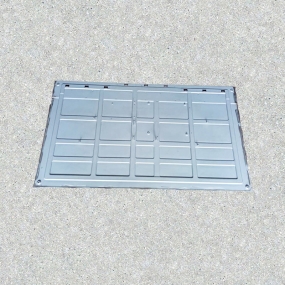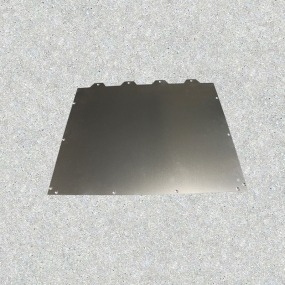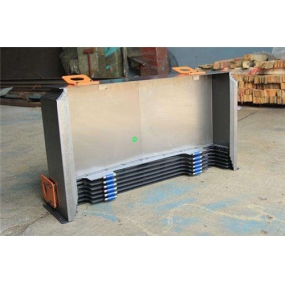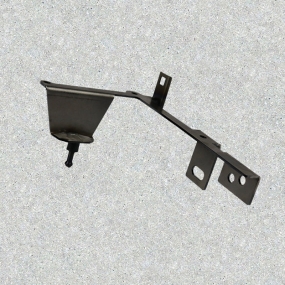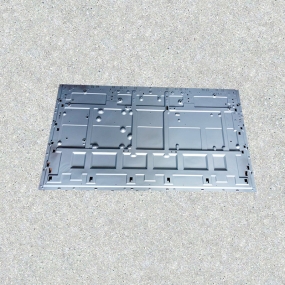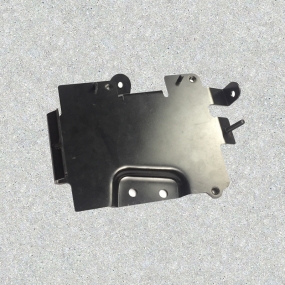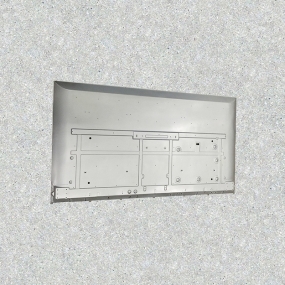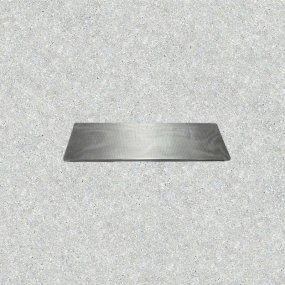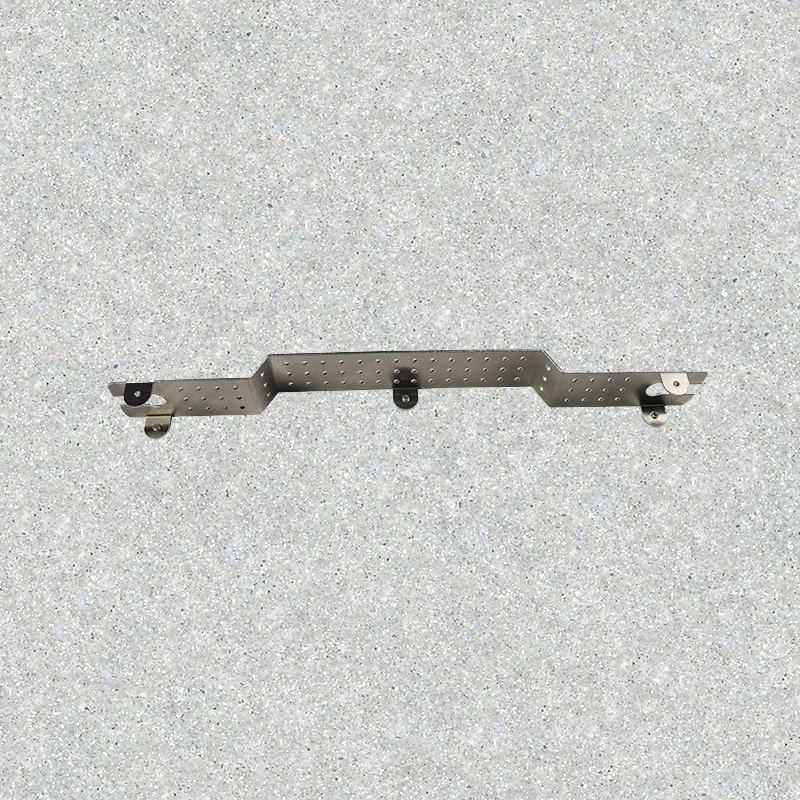
Hardware shrapnel is a small but important metal component used in many products, including electronic devices, automotive parts, electrical equipment, switches, and industrial machines. Although these parts are small, they must provide reliable elastic force, accurate movement, and long service life. This is why professional sheet metal processing - hardware shrapnel plays an important role in modern manufacturing.
Through proper material selection, advanced processing methods, strict precision control, and careful inspection, manufacturers can produce hardware shrapnel that meets different application requirements. A professional manufacturer such as EMAR helps customers develop and produce customized hardware shrapnel with stable quality and reliable performance.
Hardware shrapnel is designed to bend, press, connect, or provide a spring force during use. For example, a battery contact spring inside an electronic device must maintain good contact even after thousands of operations. A weak or inaccurate shrapnel part may cause poor connection, equipment failure, or a shorter product life.
Sheet metal processing - hardware shrapnel allows manufacturers to create thin metal parts with specific shapes, thicknesses, and elastic properties. Compared with traditional machining methods, sheet metal processing is suitable for mass production because it offers high efficiency, consistent quality, and lower production costs.
The choice of metal directly affects the strength, flexibility, corrosion resistance, and service life of hardware shrapnel. Different applications require different materials.
Spring steel is one of the most common materials used for hardware shrapnel. It has excellent elasticity and can return to its original shape after repeated bending. This makes it suitable for components that require continuous pressing or releasing actions.
For example, clips, contact springs, and mechanical switches often use spring steel because these parts need stable performance over many cycles.
Phosphor bronze is another popular material for hardware shrapnel, especially in electronic and electrical applications. It provides good electrical conductivity and corrosion resistance.
Other materials, such as stainless steel and copper alloys, may also be selected depending on requirements such as strength, appearance, conductivity, or environmental conditions.
Manufacturing hardware shrapnel requires accurate processing methods to achieve the correct shape and performance. The main methods include stamping, forming, and heat treatment.
Stamping is widely used in hardware shrapnel production. A metal sheet is placed into a stamping die, and a machine applies pressure to cut and shape the material.
Processing techniques for hardware shrapnel sheet metal processing often start with precision stamping because it provides fast production speed and consistent part dimensions.
After stamping, many shrapnel parts require forming operations. The metal is bent into a specific angle or curve to achieve the required spring force.
For example, a connector shrapnel inside an electronic product may need a special curve so it can maintain pressure against another component. Accurate forming ensures that the part works correctly during assembly.
Heat treatment improves the mechanical properties of some metals. It can increase hardness, strength, and fatigue resistance, helping hardware shrapnel withstand repeated use.
A proper heat treatment process must be carefully controlled. Excessive treatment may make the material too hard and brittle, while insufficient treatment may reduce its performance.
Because hardware shrapnel is often installed in small spaces, even small dimensional errors can affect product performance. Strict precision control is necessary during manufacturing.
Precision requirements in hardware shrapnel sheet metal processing usually include:
For example, a mobile phone contact shrapnel requires precise dimensions because a small size difference may cause poor electrical connection or assembly problems.
Reliable hardware shrapnel requires more than accurate manufacturing. Strict quality inspection ensures that every part can perform safely and consistently.
Quality control in sheet metal processing for hardware shrapnel includes several important steps:
For industries such as automotive electronics and medical equipment, quality control is especially important because component failure may affect the safety and reliability of the final product.
Hardware shrapnel produced through sheet metal processing is used in many industries:
For example, when a user presses a power button on an electronic device, a small metal shrapnel component may help complete the electrical connection. Although invisible to users, its quality directly affects product reliability.
EMAR's role in sheet metal processing of hardware shrapnel focuses on providing customers with customized manufacturing solutions from design support to final production. With experience in precision sheet metal processing, EMAR helps customers select suitable materials, optimize production methods, and achieve stable product quality.
EMAR provides professional services for different hardware shrapnel requirements, including:
By combining manufacturing experience with strict quality management, EMAR helps customers reduce production risks and create hardware shrapnel components that meet industry requirements.
When selecting a manufacturer for hardware shrapnel, customers should consider several factors:
Choosing the right partner helps companies achieve better product performance, lower manufacturing costs, and faster product development.
Sheet metal processing - hardware shrapnel requires careful attention to materials, manufacturing methods, precision control, and quality inspection. Spring steel and phosphor bronze provide different advantages, while stamping, forming, and heat treatment help create reliable components for various industries.
With professional manufacturing knowledge and customized processing capabilities, EMAR supports customers in producing high-quality hardware shrapnel for electronics, automotive, industrial, and other applications. A well-designed and accurately manufactured shrapnel component can improve product reliability and provide long-term value.