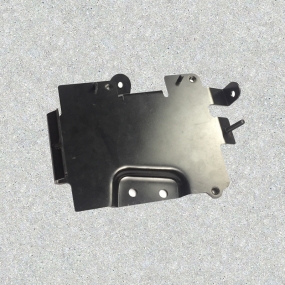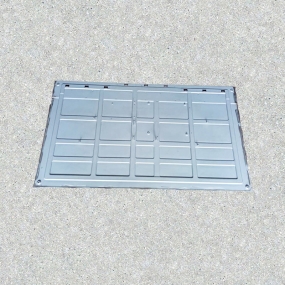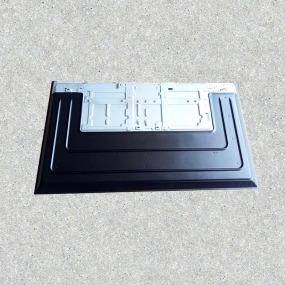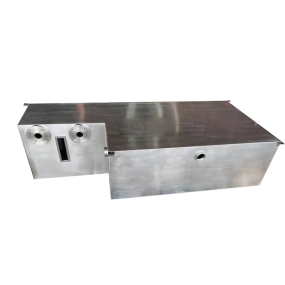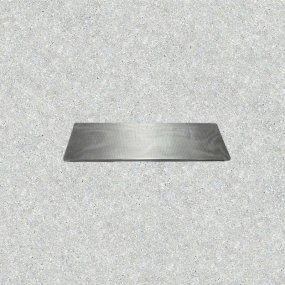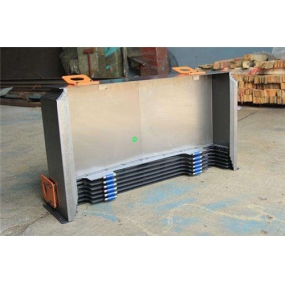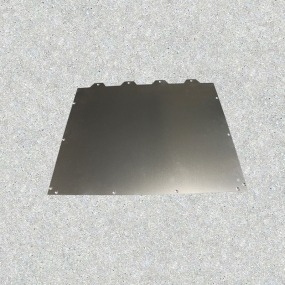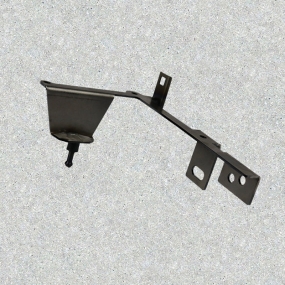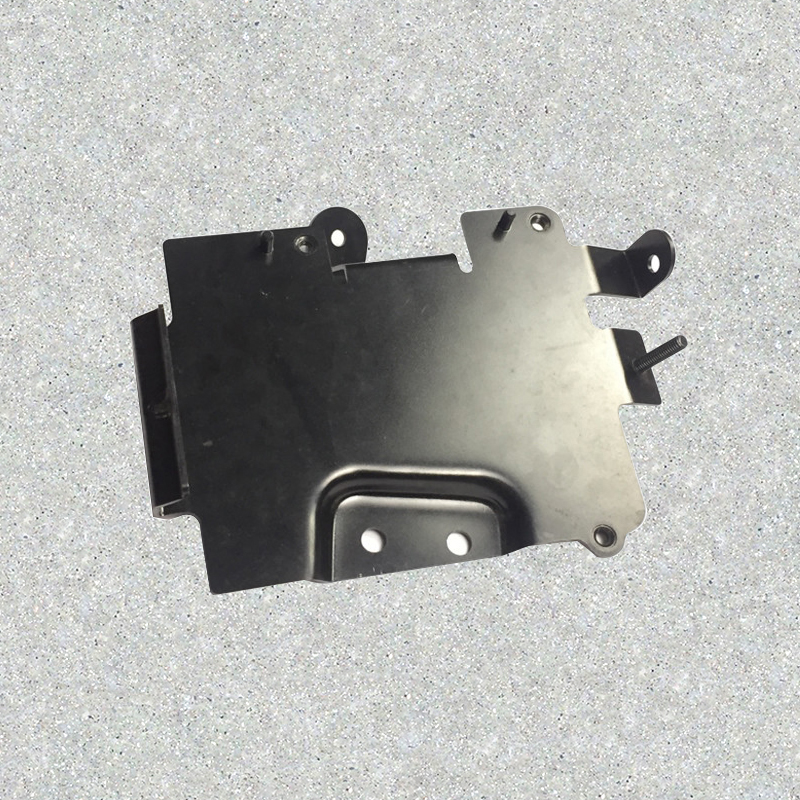
Customized sheet metal processing for automotive parts is an important manufacturing solution that helps automotive companies create parts designed for specific vehicle models, performance requirements, and production goals. Unlike standard metal parts, customized sheet metal components are developed according to unique drawings, material requirements, and assembly conditions.
Modern vehicles require parts that are lightweight, strong, safe, and precise. From body panels and brackets to chassis components and battery enclosures, customized sheet metal processing allows manufacturers to achieve the right balance between durability, cost, and performance. Working with an experienced sheet metal processing partner helps automotive companies turn design ideas into reliable production parts.
The automotive industry is highly competitive, and every vehicle model has different design requirements. A part that works well for one vehicle may not fit another because of differences in size, structure, weight, or performance needs.
Benefits of customized automotive sheet metal processing include:
For example, an electric vehicle manufacturer may need a lightweight but strong battery protection cover. A customized sheet metal solution can provide the required protection while keeping the vehicle weight under control.
Material selection in customized automotive sheet metal processing directly affects the safety, weight, and service life of automotive parts. Different metals offer different advantages depending on the application.
High-strength steel is widely used in automotive manufacturing because it provides excellent strength and impact resistance. It is commonly applied to structural parts such as chassis components, safety frames, and reinforcement panels.
Its main benefits include:
For safety-related automotive parts, high-strength steel helps vehicles maintain structural integrity during collisions.
Aluminum alloys are increasingly used in automotive parts because they are lighter than steel while still offering good strength. Reducing vehicle weight can improve fuel efficiency in traditional vehicles and increase driving range in electric vehicles.
Common applications include:
Choosing the correct aluminum alloy is important because different alloys provide different levels of strength, corrosion resistance, and forming ability.
Processing techniques for customized automotive sheet metal parts must meet strict requirements for accuracy, strength, and repeatable production. Advanced manufacturing methods allow sheet metal parts to match complex automotive designs.
Precision stamping is one of the most common methods used for automotive sheet metal production. It uses specialized molds to shape metal sheets into specific forms.
This process is suitable for producing:
Precision stamping ensures consistent dimensions, which is important for large-scale automotive production.
Bending processes create accurate angles and curves required by automotive designs. Proper bending technology helps maintain the correct shape while preventing cracks or deformation.
For example, battery trays for electric vehicles often require precise bending to achieve the correct installation position and provide reliable protection.
Welding connects multiple sheet metal parts into a complete structure. Automotive manufacturers use different welding methods depending on material type, part thickness, and strength requirements.
High-quality welding helps ensure:
When stamping, bending, and welding are properly combined, customized sheet metal parts can achieve excellent fit, function, and durability.
Quality control in customized automotive sheet metal processing is essential because automotive parts directly influence vehicle safety and reliability. Professional manufacturers follow strict quality systems to ensure every part meets customer requirements.
Reliable automotive suppliers usually follow recognized quality management systems such as IATF 16949, which is designed specifically for the automotive industry. These systems help control production processes, reduce defects, and improve product consistency.
Common inspection methods include:
Regular inspection throughout the manufacturing process helps identify problems early and ensures stable production quality.
Collaboration in customized automotive sheet metal processing between the manufacturer and automotive company is necessary for successful projects. Good communication helps both sides understand design requirements, production challenges, and quality expectations.
A successful cooperation process usually includes:
For example, an automotive company developing a new vehicle model may need a custom metal bracket that fits limited installation space. Close communication with a sheet metal manufacturer allows engineers to adjust the design and produce a practical solution.
EMAR provides professional customized sheet metal processing services for automotive parts, supporting customers from design evaluation to final production. With experience in precision manufacturing, EMAR focuses on helping automotive companies develop reliable sheet metal solutions that meet specific requirements.
The company can support different project needs, including:
By combining manufacturing experience, advanced processing equipment, and close customer communication, EMAR helps automotive companies achieve high-quality customized sheet metal parts.
When selecting a manufacturer for automotive sheet metal projects, companies should consider more than just price. A reliable partner should have strong technical knowledge, quality management experience, and the ability to handle complex designs.
Choosing the right partner ensures that customized sheet metal parts meet automotive safety, performance, and production requirements.
In conclusion, customized sheet metal processing for automotive parts is a key technology that supports modern vehicle development. Through proper material selection, advanced processing techniques, strict quality control, and strong cooperation between manufacturers and automotive companies, customized sheet metal parts can deliver excellent performance, durability, and value.