Spanish
 Arabic
 French
 Portuguese
 Belarusian
 Japanese
 Russian
 Malay
Malay Icelandic
 Bulgarian
 Azerbaijani
 Estonian
 Irish
Irish Polish
 Persian
 Boolean
 Danish
 German
 Filipino
 Finnish
 Korean
 Dutch
Dutch Galician
 Catalan
 Czech
Czech Croatian
 Latin
Latin Latvian
 Romanian
 Maltese
 Macedonian
 Norwegian
 Swedish
 Serbian
 Slovak
 Slovenian
 Swahili
 Thai
Thai Turkish
 Welsh
Welsh Urdu
Urdu Ukrainian
 Greek
Greek Hungarian
 Italian
 Yiddish
 Indonesian
 Vietnamese
 Haitian Creole
 Spanish Basque

HTML
CNC Parts Batch Processing: A Practical Guide for Manufacturers Who Need Stable Quality and Lower Cost
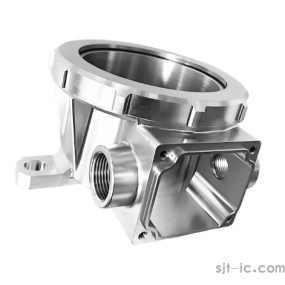
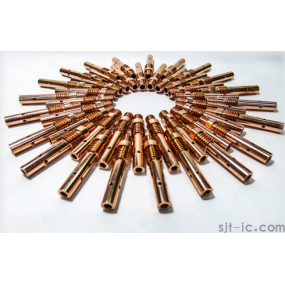
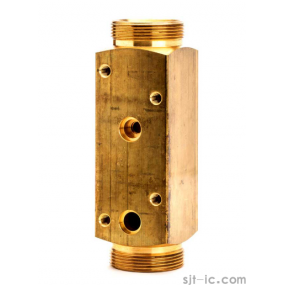
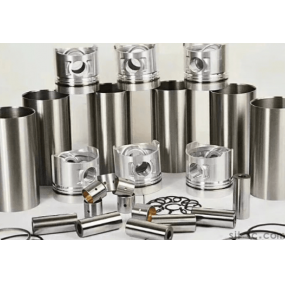
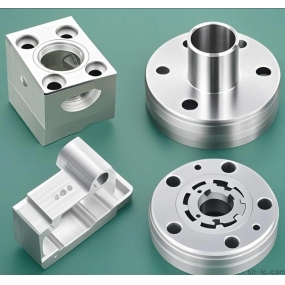
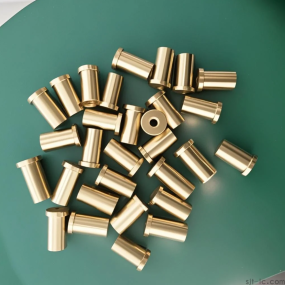
CNC Parts Batch Processing is a common manufacturing method used when companies need many identical parts with consistent quality. Instead of producing one piece at a time in different setups, batch processing focuses on producing multiple parts in a controlled and repeatable workflow. This approach is widely used in automotive, electronics, medical devices, and industrial equipment industries.
For many buyers and engineers, the real challenge is not just making parts, but making them in large quantities with stable precision, reasonable cost, and on-time delivery. This article explains the real problems and solutions in simple English, helping you understand how batch production works and what to look for in a reliable supplier.
Why CNC Parts Batch Processing Matters in Modern Manufacturing
When demand increases, single-piece machining is no longer efficient. Companies need a system that can produce hundreds or thousands of parts with the same accuracy. This is where CNC Parts Batch Processing becomes important.
It reduces repeated setup work, improves machine utilization, and ensures every part follows the same machining program. However, success depends heavily on process planning, tooling stability, and strict inspection standards.
Advantages of CNC Parts Batch Processing
The advantages of CNC parts batch processing are not only about speed. It also brings long-term benefits for cost control and product consistency.
- Stable quality: Once the program is optimized, every batch follows the same parameters, reducing human error.
- Higher efficiency: Machines run continuously with fewer interruptions for setup changes.
- Better material usage: Optimized nesting and cutting paths reduce waste.
- Faster delivery: Large orders can be completed in shorter cycles.
- Easier scaling: Production can be expanded without redesigning the process.
For many global buyers, these benefits directly improve supply chain stability and reduce production risks.
Challenges in CNC Parts Batch Processing
Even though batch production is efficient, it still has several challenges. Understanding the challenges in CNC parts batch processing helps avoid costly mistakes.
- Tool wear differences: As production continues, tools may wear unevenly and affect precision.
- Material variation: Different batches of raw materials may behave differently during machining.
- Machine calibration drift: Long production runs require regular checking of machine accuracy.
- Initial setup complexity: Programming and fixture design require careful planning before mass production.
To overcome these issues, experienced manufacturers use strict monitoring systems and continuous inspection during production.
Planning for CNC Parts Batch Processing
Successful production always starts with good preparation. Planning for CNC parts batch processing is one of the most important steps that affects final cost and quality.
Key planning points include:
- Design review: Check drawings to ensure they are suitable for mass production.
- Tool selection: Choose stable and long-lasting cutting tools to reduce downtime.
- Fixture design: Improve positioning accuracy and reduce setup time.
- Process simulation: Test machining paths before real production starts.
- Production scheduling: Arrange machine time to avoid delays and bottlenecks.
Good planning reduces risks and ensures smoother production from the first batch to the final delivery.
Cost-Effectiveness in CNC Parts Batch Processing
One of the biggest reasons companies choose batch production is cost control. The cost-effectiveness in CNC parts batch processing comes from spreading setup costs across many parts.
Instead of paying for machine setup and programming every time, these costs are shared across the entire batch. This significantly reduces the cost per unit.
Additional savings come from:
- Reduced manual labor requirements
- Lower scrap rates due to stable processes
- Efficient machine usage
- Bulk material purchasing advantages
However, cost savings only appear when production is well-managed. Poor planning or weak quality control can increase waste and cancel out these benefits.
Quality Control in CNC Parts Batch Processing
Quality control in CNC parts batch processing is essential to ensure every part meets the required specifications. Even small deviations can lead to large-scale defects in mass production.
Reliable manufacturers usually apply multiple inspection stages:
- Incoming material inspection: Ensures raw materials meet standards before machining.
- First article inspection: The first part is fully checked before full production starts.
- In-process inspection: Random checks during machining to detect issues early.
- Final inspection: Ensures all finished parts meet dimensional and surface requirements.
Advanced factories also use digital measurement tools and statistical process control to maintain consistency across large batches.
How EMAR Supports Reliable CNC Batch Production
In real-world production, choosing the right partner is just as important as the machining process itself. EMAR focuses on providing stable and efficient CNC Machining solutions for batch orders.
With experience in multi-industry production, EMAR supports customers from early planning to final inspection. The goal is to reduce production risk while maintaining consistent quality across every batch.
Key strengths include:
- Professional process planning before production starts
- Stable machining systems for repeatable accuracy
- Strict inspection procedures at every stage
- Flexible production capacity for small and large batches
By combining engineering support with practical manufacturing experience, EMAR helps clients achieve more stable CNC Parts Batch Processing results and improve overall production efficiency.
Conclusion
CNC Parts Batch Processing is not just about producing large quantities. It is about balancing precision, cost, and efficiency in a controlled system. When done correctly, it helps manufacturers reduce cost per unit, improve delivery speed, and maintain consistent product quality.
However, success depends on careful planning, strong quality control, and experienced technical support. By understanding the real advantages of CNC parts batch processing, addressing the challenges in CNC parts batch processing, and focusing on planning for CNC parts batch processing, companies can build a more stable production system.
With the right partner like EMAR, businesses can better manage complexity and achieve long-term manufacturing success.