Spanish
 Arabic
 French
 Portuguese
 Belarusian
 Japanese
 Russian
 Malay
Malay Icelandic
 Bulgarian
 Azerbaijani
 Estonian
 Irish
Irish Polish
 Persian
 Boolean
 Danish
 German
 Filipino
 Finnish
 Korean
 Dutch
Dutch Galician
 Catalan
 Czech
Czech Croatian
 Latin
Latin Latvian
 Romanian
 Maltese
 Macedonian
 Norwegian
 Swedish
 Serbian
 Slovak
 Slovenian
 Swahili
 Thai
Thai Turkish
 Welsh
Welsh Urdu
Urdu Ukrainian
 Greek
Greek Hungarian
 Italian
 Yiddish
 Indonesian
 Vietnamese
 Haitian Creole
 Spanish Basque

HTML
What Parts Are Generally Processed by CNC
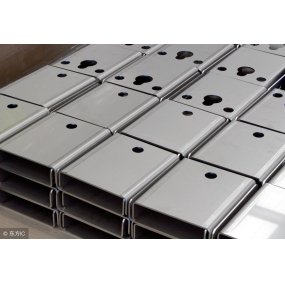
When people ask What Parts Are Generally Processed by CNC, they are usually trying to understand what kind of products can be made with CNC Machining and whether it fits their own industry needs. CNC (Computer Numerical Control) machining is widely used because it can produce precise, repeatable, and high-quality parts from many different materials like aluminum, steel, brass, and plastics.
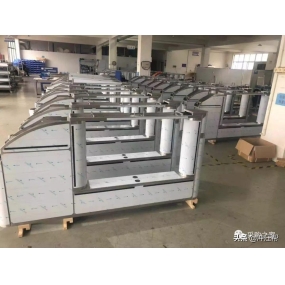
In simple terms, CNC machines are used whenever a part needs accuracy, consistency, and durability. From small electronic components to large industrial structures, CNC processing plays an important role in modern manufacturing.
Precision Parts Processed by CNC in Daily Manufacturing
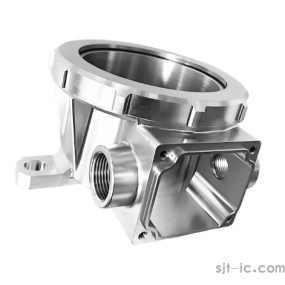
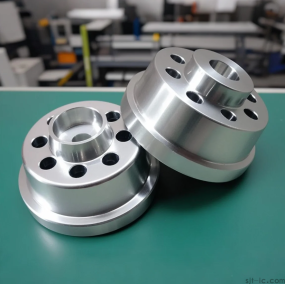
One of the biggest uses of CNC is producing precision parts processed by CNC. These parts require very tight tolerances and smooth surfaces. Even a small error can affect how the final product works.
Common examples include:
- Gear components used in machines
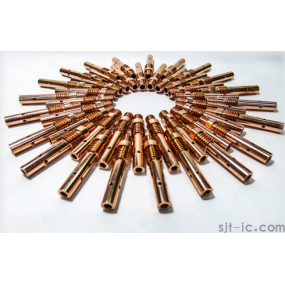
- Shafts and bushings for mechanical systems
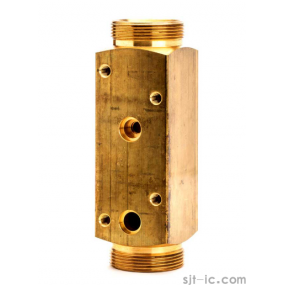
- Valve bodies for fluid control systems
- Medical device parts requiring high accuracy
- Electronic device housings and connectors
These parts need stable quality, which is why CNC machining is often the preferred method.
Common CNC-Processed Parts in Automotive Industry
The automotive industry is one of the largest users of CNC technology. Many common CNC-processed parts in automotive industry are made with high precision to ensure safety and performance.
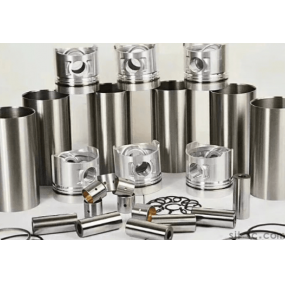
- Engine blocks and cylinder heads
- Transmission components
- Brake system parts
- Suspension components
- Custom performance car parts
CNC machining helps car manufacturers produce strong and reliable parts while keeping production consistent across large volumes.
Industries Relying on CNC-Processed Parts
Many industries depend on CNC technology because it can handle complex shapes and strict standards. These industries relying on CNC-processed parts include aerospace, automotive, medical, electronics, and energy.
Each industry has different requirements, but CNC machining can adapt easily by changing tools, programming, and materials. This flexibility is one of its biggest advantages.
CNC-Processed Parts in Aerospace Applications
In aerospace, safety and precision are extremely important. That is why CNC-processed parts in aerospace must meet very strict standards.
- Turbine engine components
- Aircraft structural brackets
- Landing gear parts
- Fuel system components
- Lightweight aluminum alloy structures
These parts must be lightweight but extremely strong. CNC machining ensures accuracy and consistency, which is critical for flight safety.
Advantages of Using CNC for Different Part Processing
There are many advantages of using CNC for different part processing. This is why so many industries prefer CNC over traditional manual methods.
- High precision and tight tolerances
- Stable and repeatable production quality
- Ability to produce complex shapes
- Reduced human error
- Efficient for both small and large production runs
CNC machining also reduces waste and improves material usage, making it more cost-effective in the long term.
Why CNC Machining Is the Right Choice for Modern Manufacturing
Understanding What Parts Are Generally Processed by CNC helps businesses choose the right manufacturing method. Whether it is a simple mechanical component or a highly complex aerospace structure, CNC machining provides the flexibility and precision needed in today’s competitive industries.
Companies like :contentReference[oaicite:0]{index=0} focus on delivering high-quality CNC machining services for a wide range of parts. From prototypes to mass production, EMAR supports industries that require reliable precision parts with strict quality control.
By combining advanced equipment with experienced engineering support, EMAR helps customers turn complex designs into accurate and durable components, making CNC machining a strong solution for modern manufacturing needs.