Spanish
 Arabic
 French
 Portuguese
 Belarusian
 Japanese
 Russian
 Malay
Malay Icelandic
 Bulgarian
 Azerbaijani
 Estonian
 Irish
Irish Polish
 Persian
 Boolean
 Danish
 German
 Filipino
 Finnish
 Korean
 Dutch
Dutch Galician
 Catalan
 Czech
Czech Croatian
 Latin
Latin Latvian
 Romanian
 Maltese
 Macedonian
 Norwegian
 Swedish
 Serbian
 Slovak
 Slovenian
 Swahili
 Thai
Thai Turkish
 Welsh
Welsh Urdu
Urdu Ukrainian
 Greek
Greek Hungarian
 Italian
 Yiddish
 Indonesian
 Vietnamese
 Haitian Creole
 Spanish Basque

You're designing a part, or maybe you're ready to order. The blueprint looks perfect, but a nagging question hits: “When this steel part comes off the CNC machine, how close will it REALLY be to my perfect dimensions?” Getting the wrong answer here can mean parts that don't fit, failed tests, and wasted budget. Let's cut through the vague promises and talk real numbers.

The Short Answer: It's (Mostly) Excellent
For most common steel parts, a standard CNC Machining tolerance of ±.005 inches (±.127 mm) is very achievable. For many applications, that's tighter than a human hair! For more critical features on high-end machines, tolerances like ±.001 inches (±.025 mm) or even tighter are possible, but it's not a simple switch you flip.
What Does "Tolerance" Really Mean in CNC Steel?
Think of tolerance as the “allowed wiggle room.” If you specify a hole diameter of 10mm with a ±.05mm tolerance, any hole between 9.95mm and 10.05mm is a pass. It's not about hitting a single magical number every time, but staying within a controlled zone of perfection.
Key point: Tighter tolerance doesn't always mean a better part. It means a more expensive part. The real engineering skill is specifying the loosest possible tolerance that still lets your part work flawlessly. Save the ultra-tight specs for where they truly matter.
The Big Factors That Pull Tolerance Off Target
Why can't every shop just promise the best number? Because steel and machines have minds of their own. Here’s what we're up against:
1. The Steel Itself: Heat is the Enemy 🔥
Cutting steel makes heat. Heat makes metal expand. When it cools, it contracts. This thermal dance can warp parts slightly, especially thin-walled sections. Different steels (like stainless vs. mild steel) behave differently, which is why material choice is the first conversation.
2. The Machine's True Capability
A brand-new, high-end 5-axis machine sitting in a temperature-controlled room has a fighting chance at those micron-level tolerances. An older, tired 3-axis machine in a fluctuating shop environment? It might struggle to hold the standard ±.005" consistently. The machine's condition and calibration are everything.
3. The Part's "Personality" (Geometry & Size)
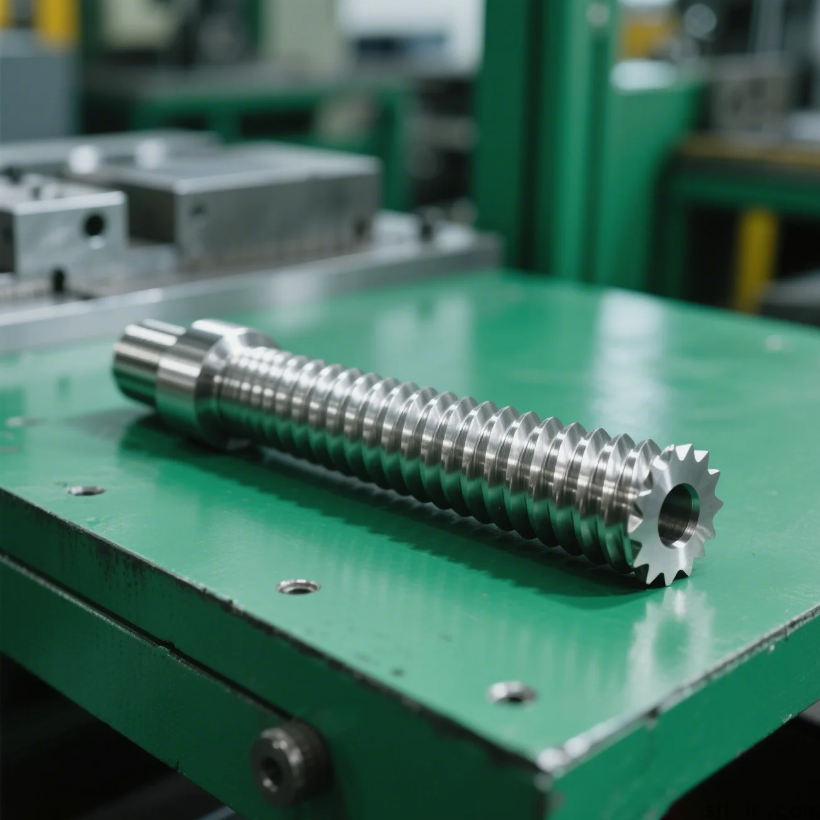
A small, chunky steel block is easier to hold tight than a long, slender rod. The more a part can vibrate or deflect during cutting, the harder it is to control. This is where fixture design—how the part is held—becomes an art form. Sometimes, the part design itself makes high precision a battle.
From "Possible" to "Repeatable": The Shop's Role
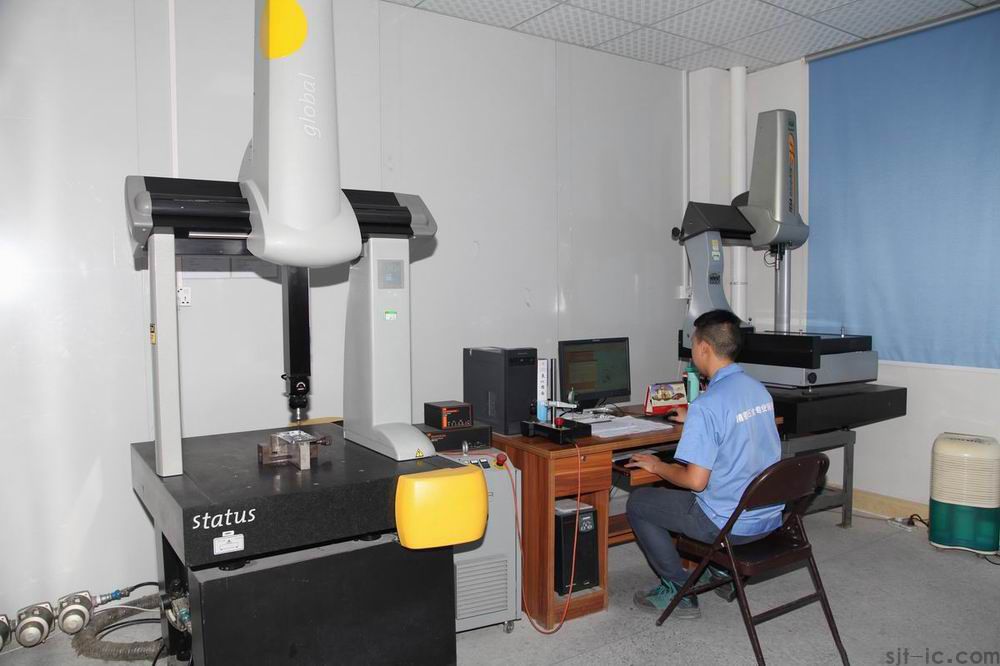
Any shop can show you one perfect part. The challenge is making 1,000 identical ones. This is where process control comes in. A shop focused on precision will have strict protocols for tool wear monitoring, in-process measurements, and climate control. They might use specialized tooling or slower cutting strategies for the final, critical passes.
My personal take: When evaluating a shop, don't just ask “What's your best tolerance?” Ask, “How do you ensure that tolerance is held on every part, from the first to the thousandth?” Their answer to that question tells you more than any brochure spec.
So, What Should You Do? A Practical Guide
1. Know Your Real Needs: Circle the 2-3 most critical dimensions on your drawing. Be aggressive with tolerance there if needed. For non-critical features, let them breathe with a standard or looser tolerance. This optimizes cost.
2. Talk to Your Machinist Early: Send your drawings before finalizing them. A good machinist can spot features that are nightmares to hold tight and might suggest a tiny design change that makes it easy—and cheap. This collaboration is gold.
3. Understand the Cost Curve: Going from ±.010" to ±.005" might cost a bit more. Going from ±.005" to ±.001" might double or triple the price due to extra steps, slower machining, and specialized inspection. It's a steep curve.
Perhaps the most important thing to remember is this: The published “best-case” tolerance on a machine's datasheet is a laboratory condition. Your actual part's achievable tolerance is a partnership between the material, the design, the machine, and the skill of the shop. It's a system, not just a setting.
Ready to See What's Possible for Your Specific Part?
Theoretical numbers are a start, but your project is unique. The best way to know what tolerance and surface finish you can reliably get is to have an expert look at your actual design and material choice.
👉 Have a drawing or a 3D model? Let's talk specifics. Our engineering team can review your requirements and provide a realistic assessment of achievable tolerances and a transparent quote. Sometimes, the answer might even be better than you hoped.
Click here to contact our technical support team online now for a free design review.