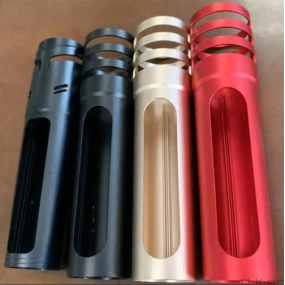
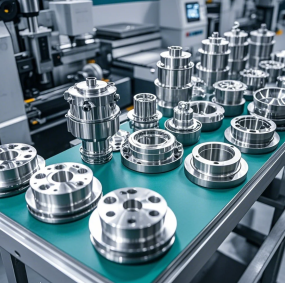
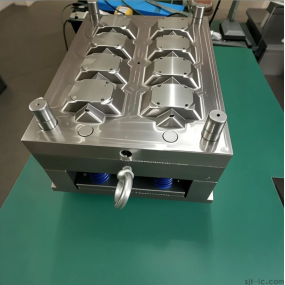
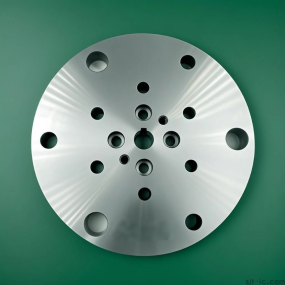
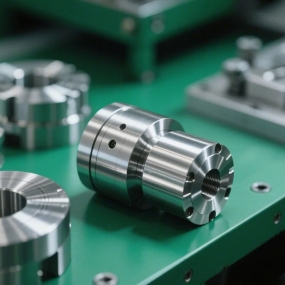
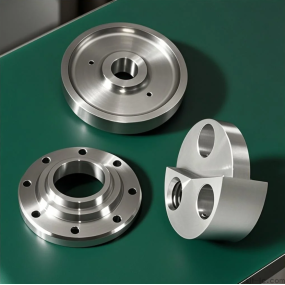
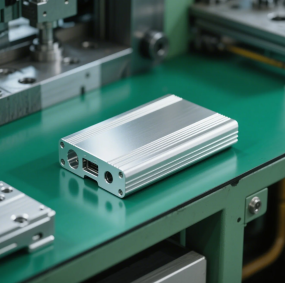
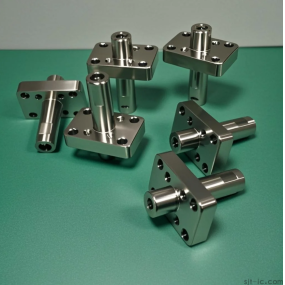
In modern industries, connectors are small parts but play a very important role. They ensure stable electrical signals, secure mechanical assembly, and long-term performance. When connectors fail, the whole system may stop working. This is why CNC Machining Connector solutions are widely used in aerospace, automotive, medical devices, and electronics.
Many users struggle with poor fit, unstable conductivity, or short service life in connector parts. CNC technology helps solve these problems by offering high accuracy, repeatability, and strong material compatibility.
Connectors require extremely tight tolerances. Even a small error can lead to signal loss or assembly failure. Traditional manufacturing methods often cannot guarantee stable precision.
CNC machining provides digital control, which ensures every connector is produced exactly according to design. This is especially important for industries that require zero-error performance.
These challenges are why many companies now switch to CNC machining for connector production.
The steps in CNC machining a connector are carefully controlled to ensure precision and repeatability:
The precision requirements in CNC connector machining are extremely strict. In many cases, tolerances must be controlled within microns.
This ensures perfect mating between connector parts and stable electrical performance. Even slight deviation may cause signal interference or mechanical instability.
Choosing the right material is essential for performance and durability. Common materials suitable for CNC - machined connectors include:
The advantages of using CNC for connector machining are clear for manufacturers and engineers:
These benefits make CNC machining the preferred choice for modern connector manufacturing.
Strong quality control in CNC machining connector process ensures every part meets strict industry standards.
Common quality control methods include coordinate measuring machines (CMM), visual inspection, and functional testing. These steps ensure that every connector performs reliably in real applications.
Selecting the right supplier is key to achieving consistent results. A professional CNC machining partner should have advanced equipment, experienced engineers, and strict inspection systems.
EMAR has built strong expertise in precision connector manufacturing. With advanced CNC equipment and strict quality management, provides stable and high-quality CNC Machining Connector solutions for global customers. Their focus on accuracy and process control helps reduce risk and improve product reliability.
By combining engineering knowledge with modern CNC technology, EMAR supports industries that demand high-performance connector parts.
In summary, CNC machining has become the backbone of modern connector production. From design to inspection, every step is controlled to ensure precision, durability, and performance. Whether for small-scale prototypes or large-scale production, CNC Machining Connector solutions provide the reliability that modern industries require.