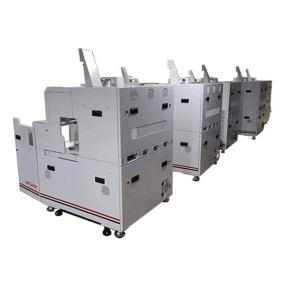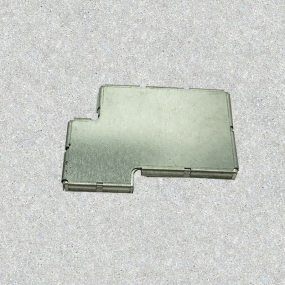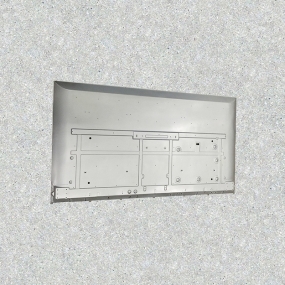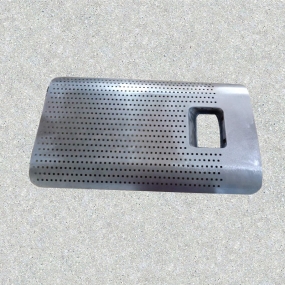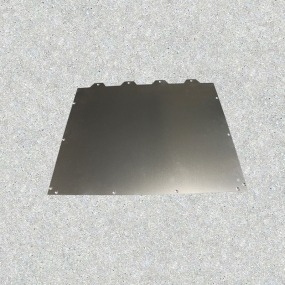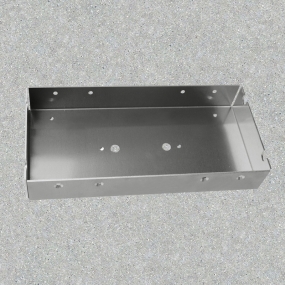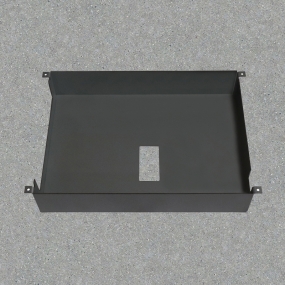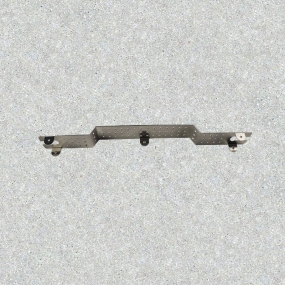

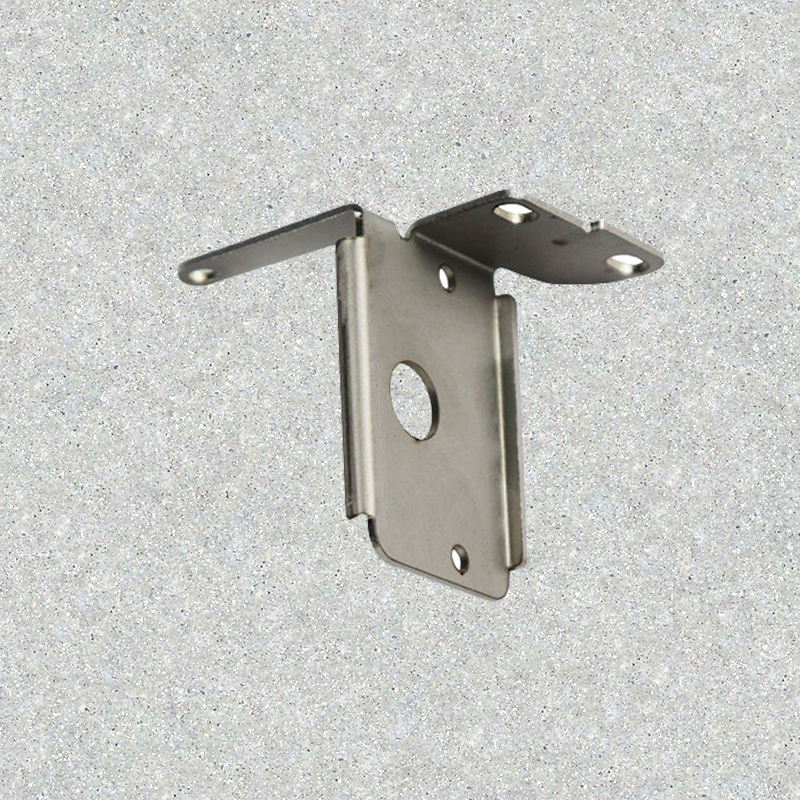
A customized sheet metal processing bracket is a specially made metal support component designed to hold, connect, or fix different parts in equipment, machines, buildings, and many other applications. Unlike standard brackets, customized brackets are created according to specific size, shape, strength, and installation requirements.
Many industries need brackets that can fit unique structures or handle special working conditions. For example, a factory machine may need a strong steel bracket to support heavy parts, while an electronic device may need a lightweight aluminum bracket for space-saving installation. Understanding the materials, processing methods, design requirements, and quality checks can help customers choose the right bracket solution.
A customized sheet metal processing bracket is produced by cutting, bending, forming, welding, and finishing metal sheets to create a support part with a specific design. The process starts from customer drawings, samples, or functional requirements and turns them into a finished metal bracket.
These brackets are widely used in:
The main advantage of customization is that the bracket can match the exact installation environment. This improves stability, reduces assembly problems, and helps products work more efficiently.
Material selection in customized bracket sheet metal processing is one of the most important steps because different metals provide different levels of strength, weight, corrosion resistance, and cost.
Steel is one of the most commonly used materials for customized brackets. It has high strength and good durability, making it suitable for heavy-load applications.
Aluminum is a popular choice when lightweight design is important. It is easier to handle and has natural resistance to rust.
For example, an aluminum bracket may be used inside a communication device because it reduces overall weight, while a steel bracket may be better for supporting a large industrial machine.
Processing techniques for customized sheet metal brackets determine the final shape, strength, and appearance of the bracket. Modern sheet metal processing combines accurate machines with skilled manufacturing methods.
Cutting creates the basic shape of the bracket from a metal sheet. Common methods include laser cutting, CNC cutting, and other precision cutting methods.
Laser cutting is widely used because it can create accurate shapes, clean edges, and complex patterns. It is especially useful when brackets require detailed holes or special outlines.
Bending changes the flat metal sheet into a three-dimensional bracket shape. Proper bending improves strength because the formed structure can better resist pressure and vibration.
During bending, manufacturers consider:
Welding is used when multiple metal pieces need to be joined together. A good welding process creates a strong connection and improves the bracket’s load capacity.
For example, a large equipment support bracket may use welded reinforcement parts to increase strength and prevent deformation during operation.
Design considerations in customized sheet metal bracket processing directly affect whether the bracket can work safely and reliably. A good design should consider both performance and manufacturing requirements.
The bracket must be designed according to the weight and force it will support. Engineers need to consider:
A bracket used for holding a heavy motor requires a stronger structure than a small bracket used for mounting a lightweight panel.
The size and shape of a customized bracket should match the installation space. Designers usually consider:
Mounting holes are important because they determine how easily the bracket can be installed. Hole diameter, position, and spacing should match screws, bolts, or other connecting parts.
A small mistake in hole location can cause installation problems, so accurate design and manufacturing are necessary.
Precision requirements in customized sheet metal bracket processing ensure that the bracket fits correctly with other components. Even a strong bracket may fail if its dimensions are incorrect.
Important precision factors include:
The required tolerance level depends on the application. Simple support brackets may allow wider tolerances, while brackets used in precision equipment may require tighter control.
For example, a mounting bracket inside an automated machine may need very accurate hole positions because small errors can affect machine operation.
Quality control in customized sheet metal bracket processing helps ensure that every bracket meets safety, performance, and installation requirements.
A professional manufacturer normally checks:
Quality checks reduce production risks and help customers receive brackets that perform reliably in real applications.
When requesting customized brackets, customers can improve the final result by preparing clear information:
Clear communication between the customer and manufacturer helps avoid design changes and improves production efficiency.
A reliable supplier should have experience in metal selection, precision manufacturing, quality inspection, and customized solutions. Professional manufacturers can help customers improve bracket designs, choose suitable materials, and reduce unnecessary costs.
EMAR provides customized sheet metal processing services for brackets, supporting customers with professional manufacturing experience, flexible production capabilities, and quality-focused solutions. From prototype development to batch production, EMAR helps create brackets that meet different application requirements.
Whether the project requires a strong steel support bracket, a lightweight aluminum structure, or a complex custom design, working with an experienced sheet metal processing company can help achieve better performance and reliability.
A customized sheet metal processing bracket is more than a simple metal support part. It requires careful material selection, accurate processing, smart design, strict precision control, and reliable quality inspection.
By understanding material selection in customized bracket sheet metal processing, processing techniques for customized sheet metal brackets, design considerations in customized sheet metal bracket processing, precision requirements in customized sheet metal bracket processing, and quality control in customized sheet metal bracket processing, customers can make better decisions and achieve stronger, safer, and more efficient bracket solutions.