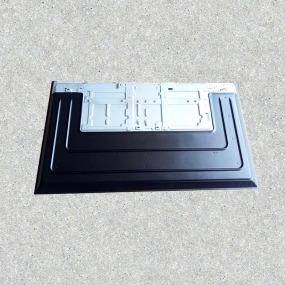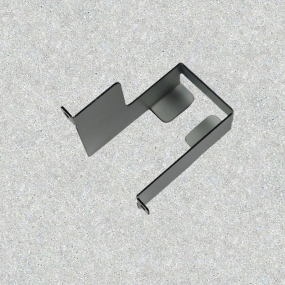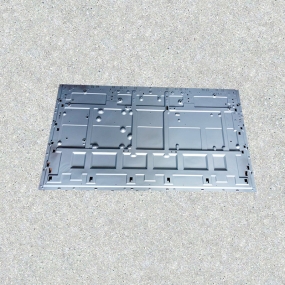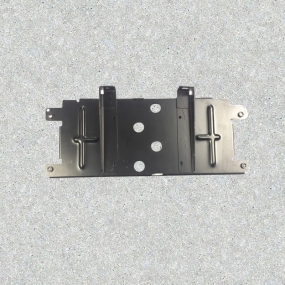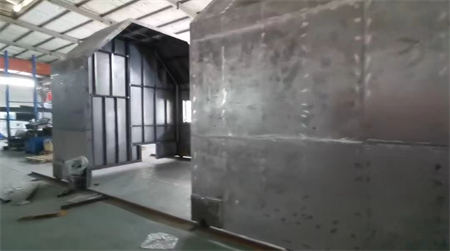
Large protective covers play an important role in many industries. They are used to protect machines, equipment, electronic systems, and products from damage caused by dust, moisture, impact, chemicals, and other external factors. From industrial machinery covers to protective housings for transportation and energy equipment, these covers must be strong, accurate, and durable.
However, many companies face challenges when they need to produce large protective covers. They may be unsure about the best material, the right manufacturing method, how to maintain quality, or how to control production costs. Understanding the complete Processing of large protective covers helps businesses make better decisions and achieve reliable products.
This article explains the key steps involved in large protective cover manufacturing, including material selection, machining methods, quality inspection, common challenges, and cost optimization strategies.
Large protective covers are designed to provide safety and extend the service life of valuable equipment. In industries such as automotive manufacturing, aerospace, energy, construction, and industrial automation, machines often operate in difficult environments. Without proper protection, equipment may suffer from corrosion, mechanical damage, contamination, or reduced performance.
For example, a large protective cover used on a factory machine can prevent dust and metal particles from entering moving components. A cover installed on outdoor electrical equipment can protect sensitive parts from rain, sunlight, and temperature changes.
Because these covers are often large and customized, their manufacturing process requires careful planning. The right combination of materials, machining methods, and inspection procedures ensures the final product fits correctly and performs reliably.
One of the most important steps in the Processing of large protective covers is selecting the correct material. Different applications require different material properties.
When a protective cover is exposed to moisture, chemicals, or outdoor environments, corrosion-resistant materials are usually preferred. For example, stainless steel is often selected for industrial equipment because it provides excellent strength and corrosion resistance.
For applications requiring impact protection, materials with strong impact resistance are more suitable. High-density polyethylene (HDPE) and fiberglass-reinforced plastics are common choices because they can absorb impacts while remaining lightweight.
For electronic equipment, electromagnetic interference (EMI) protection may be required. In these cases, metal-coated plastics or conductive materials can help reduce electromagnetic interference and protect sensitive components.
Material selection for large protective covers is not only about performance. Cost is also a major consideration, especially for large-volume production.
Using the most advanced material is not always the best solution. The material should meet the protection requirements while keeping production costs reasonable. For example, agricultural machinery manufacturers may choose polypropylene covers instead of more expensive engineering plastics if the lower-cost material provides enough protection for normal operating conditions.
A professional manufacturer evaluates factors such as strength, durability, processing difficulty, and total cost before recommending a material. This approach helps achieve better cost-effectiveness in large protective cover processing.
Large protective covers often have complex shapes and strict size requirements. Choosing suitable manufacturing methods is essential for achieving accurate results.
The cutting process depends mainly on the cover material.
Laser cutting: Commonly used for metal protective covers. It provides high accuracy and clean edges. For example, a stainless steel cover for a power generator can be cut with laser technology to achieve precise dimensions while reducing material waste.
Plasma cutting: Suitable for thicker metal sheets where high cutting speed is needed.
CNC routing: Often used for plastic covers. It allows manufacturers to create complex shapes and openings with high precision.
Waterjet cutting: Useful for materials that may be damaged by heat because it creates cuts without significant heat impact.
Using the correct cutting method improves accuracy and reduces the risk of fitting problems during installation.
After cutting, many large covers require forming processes to create their three-dimensional shape.
Metal covers may use press forming or roll forming. For example, a large engine protection cover can be press-formed to match the shape of the equipment it protects.
Plastic covers may be produced through thermoforming or injection molding, depending on the size and production quantity.
Assembly is another important stage. Metal parts are often connected through welding, while plastic components may use screws, fasteners, or industrial adhesives. Proper assembly ensures the cover has enough strength and maintains a clean appearance.
These machining techniques for large covers help manufacturers create products that are accurate, durable, and suitable for different industrial applications.
Quality problems in large protective covers can lead to poor fitting, reduced protection, and equipment failures. Therefore, strict inspection is necessary throughout the production process.
Large covers must match the size and shape of the equipment they protect. Even small dimensional errors can cause installation problems.
Manufacturers use measuring tools such as calipers, height gauges, and coordinate measuring machines (CMMs) to check length, width, height, and critical positions.
For example, a protective cover for an industrial oven must have accurate dimensions. If the cover does not fit correctly, heat leakage may occur and reduce equipment efficiency.
Besides size inspection, material and strength testing are also essential.
For example, a protective cover used in a water treatment facility may need pressure testing to ensure it can withstand operating conditions.
Strong quality control in large protective cover processing ensures that customers receive products that are safe, reliable, and long-lasting.
The large size and weight of protective covers create challenges during manufacturing and delivery. Moving oversized covers may require cranes, forklifts, or special handling equipment.
During transportation, proper packaging and securing methods are necessary to prevent bending, scratches, or deformation. For example, a large metal cover for construction equipment may need a flat-bed truck with strong fixing systems to arrive safely at the installation location.
Another challenge is balancing production speed with quality. Large covers often require multiple steps, including cutting, forming, welding, assembly, and inspection.
If production processes are not well organized, delivery times may increase and costs may rise. Manufacturers need efficient workflows and suitable equipment to complete projects on schedule without reducing quality.
Experienced companies understand these challenges in processing large protective covers and develop solutions to improve efficiency and reliability.
Reducing production costs does not mean lowering product quality. Effective process optimization can improve both efficiency and value.
For example, an automated laser cutting system can arrange multiple cover parts on one metal sheet, increasing material usage efficiency and reducing waste.
The cheapest option at the beginning may not always provide the lowest total cost. A protective cover made from high-quality, durable material may require a higher initial investment but can reduce maintenance and replacement costs over time.
For outdoor equipment, choosing corrosion-resistant materials can prevent frequent repairs and extend the service life of the cover.
Considering both production costs and long-term performance helps companies achieve better cost-effectiveness in large protective cover processing.
For companies requiring customized and reliable large protective covers, manufacturing experience is a key factor. EMAR has professional experience in the Processing of large protective covers, providing solutions that focus on material selection, machining accuracy, quality control, and production efficiency.
EMAR's technical team understands that different industries have different protection requirements. By analyzing working conditions, equipment structures, and customer needs, the company can recommend suitable materials and manufacturing methods.
For example, when producing large protective covers for demanding industries such as aerospace or industrial automation, EMAR can combine appropriate materials, advanced machining techniques, and strict inspection procedures to ensure product reliability.
EMAR follows strict quality management practices throughout the manufacturing process. From raw material inspection to final dimensional checks, each stage is carefully controlled to ensure consistent product quality.
With experience in handling large-size manufacturing challenges, EMAR can help customers achieve protective covers that provide accurate fitting, strong protection, and long service life.
By combining technical knowledge, advanced equipment, and quality-focused production methods, EMAR aims to become a trusted partner for businesses seeking high-quality large protective cover solutions.
The Processing of large protective covers involves many important decisions, including material selection, machining methods, quality inspection, and cost management. Choosing the right approach helps ensure that protective covers can withstand real-world conditions while providing reliable protection.
By understanding the key factors involved in production and working with an experienced manufacturer, companies can reduce risks, improve efficiency, and achieve better long-term value. Professional processing capabilities, such as those offered by EMAR, help customers receive large protective covers that meet demanding industrial requirements.