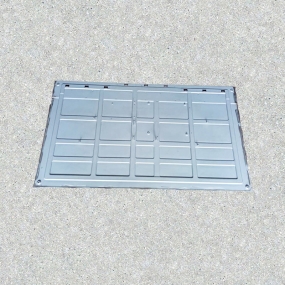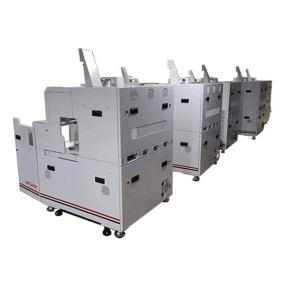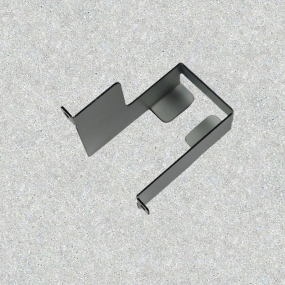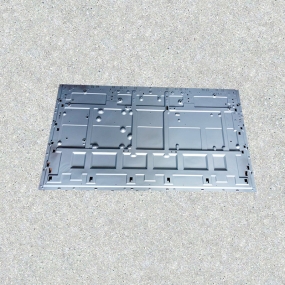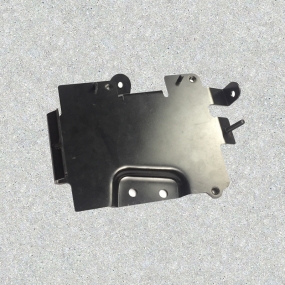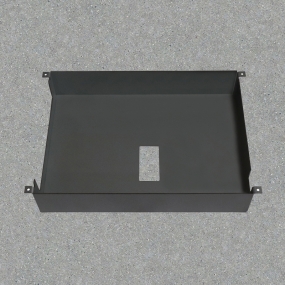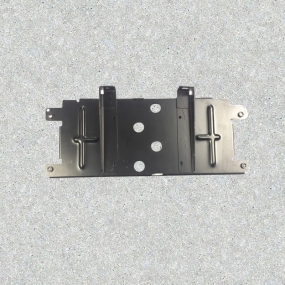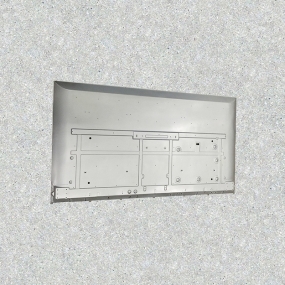

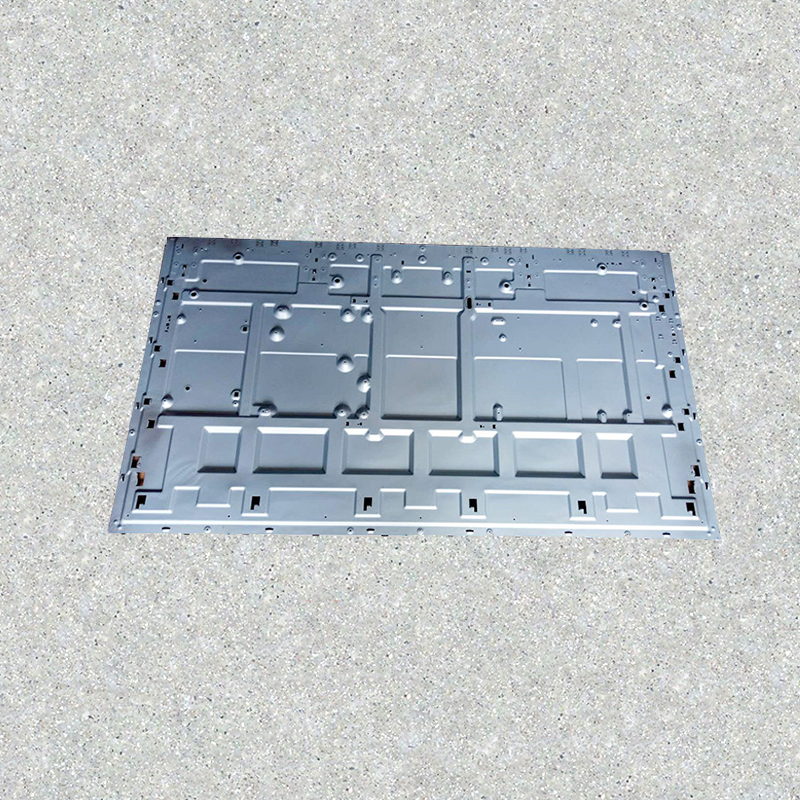
A customized aluminum panel back panel for sheet metal processing is widely used in electronic equipment, industrial machines, display systems, control cabinets, and other products that need lightweight, strong, and reliable metal structures. Unlike standard panels, customized aluminum back panels are designed according to specific product requirements, including size, shape, mounting positions, ventilation needs, and surface appearance.
For engineers, product designers, and manufacturers, understanding the complete processing process helps them choose the right material, avoid design problems, and achieve better product performance. This guide explains aluminum properties, manufacturing methods, design points, precision needs, and quality control methods in simple language.
Aluminum is one of the most popular materials for sheet metal back panels because it provides a good balance between strength, weight, and durability. Understanding aluminum material properties in customized back panel processing helps manufacturers select the right material for different applications.
For example, an aluminum back panel used in an industrial control box needs to be lightweight for installation but strong enough to protect internal components. Aluminum is often a suitable choice because it meets both requirements.
The manufacturing process directly affects the quality and performance of a customized aluminum panel. Professional manufacturers use different methods depending on the design requirements. The following are common processing techniques for customized aluminum back panels.
Cutting is usually the first step in aluminum sheet metal processing. Modern equipment such as laser cutting machines can create accurate outlines, openings, and complex shapes.
Laser cutting provides several advantages:
For example, a back panel for an electronic device may require multiple cable openings and mounting holes. Precision cutting ensures every opening matches the equipment layout.
After cutting, aluminum sheets are often bent or formed to create the required structure. Bending improves panel strength and allows the back panel to fit perfectly with the main product frame.
Proper bending requires careful control because aluminum has different flexibility compared with steel. Incorrect bending may cause cracks, deformation, or inaccurate assembly.
Anodizing is a common finishing method for aluminum parts. It improves corrosion resistance, surface hardness, and appearance.
Benefits of anodizing include:
For example, a commercial display system may use an anodized aluminum back panel because it needs both a premium appearance and long-term durability.
Good design is the foundation of successful sheet metal production. Design considerations in customized aluminum back panel processing include size, structure, hole placement, and product compatibility.
The dimensions of the back panel must match the equipment or product housing. Designers should consider:
A small size error may prevent the panel from being installed correctly, so early communication between designers and manufacturers is important.
Many aluminum back panels require different types of holes, such as:
The position and size of these holes must be carefully planned. Poor hole placement can affect cooling performance or make assembly difficult.
A back panel should be strong enough to support components while avoiding unnecessary material thickness. A professional sheet metal supplier can help choose the correct aluminum thickness based on the application.
Accuracy is critical for customized metal parts. The precision requirements in customized aluminum back panel sheet metal processing determine whether the final product can be assembled smoothly.
Important precision factors include:
For example, an aluminum back panel installed inside an electronic cabinet may only have a small installation space. Even a small dimensional error can create assembly problems. Accurate processing helps reduce production delays and additional adjustments.
Reliable quality control ensures that every aluminum back panel meets performance and appearance requirements. Professional manufacturers follow inspection procedures throughout the production process.
Quality control in customized aluminum back panel processing usually includes the following checks:
Using inspection tools such as measuring equipment and surface testing methods helps maintain stable product quality from prototype production to large-scale manufacturing.
A company producing industrial monitoring equipment may need a lightweight back panel with ventilation holes, cable openings, and mounting points. A customized aluminum solution can provide:
This type of customized design allows the equipment to work reliably while maintaining a professional appearance.
Selecting the right manufacturer is important for achieving consistent quality. A professional supplier should have experience in aluminum sheet metal fabrication, advanced processing equipment, and strict inspection procedures.
EMAR provides customized aluminum panel back panel sheet metal processing services, supporting customers from design communication and material selection to precision manufacturing and quality inspection. With experience in customized metal fabrication, EMAR helps customers create aluminum panels that match their product requirements in appearance, function, and durability.
When working with a sheet metal processing partner, customers should consider:
A customized aluminum panel back panel for sheet metal processing combines lightweight design, corrosion resistance, accurate manufacturing, and strong structural performance. By understanding aluminum material properties, selecting suitable processing techniques, planning smart designs, controlling precision, and applying strict quality checks, manufacturers can produce reliable back panels for many industries.
Whether used for electronic devices, industrial equipment, or display systems, a well-designed aluminum back panel improves product performance and user experience. Working with an experienced manufacturer like EMAR can help ensure that customized aluminum panels meet both technical requirements and practical application needs.