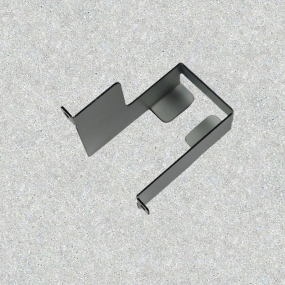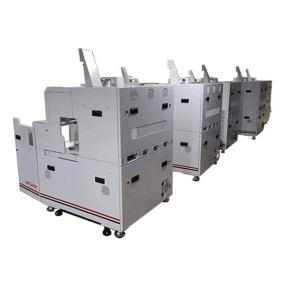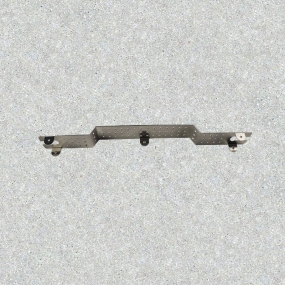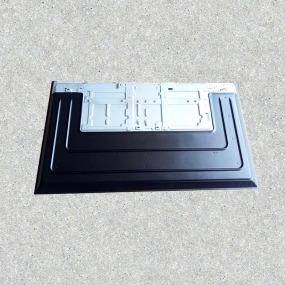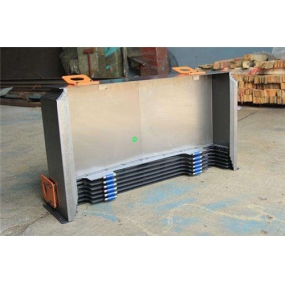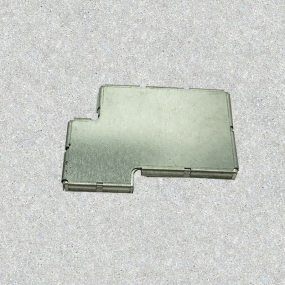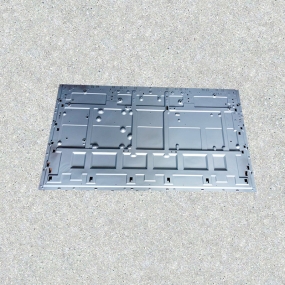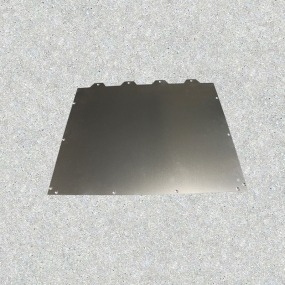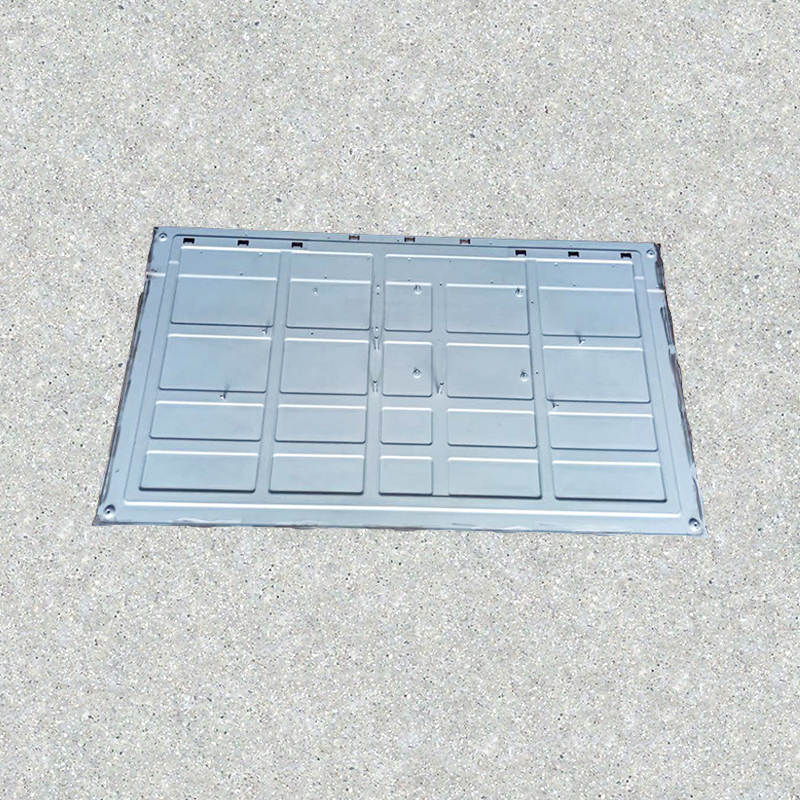
Sheet metal processing - sheet metal back panel customization is an important manufacturing service used in many industries, including electronics, machinery, electrical equipment, communication systems, and industrial cabinets. A customized sheet metal back panel protects internal components, provides structural support, improves heat management, and helps different parts fit together correctly.
Unlike standard metal panels, customized back panels are designed according to specific product requirements. The manufacturer considers the material, shape, mounting method, surface finish, and precision level to create a panel that works reliably in real applications.
This guide explains the main steps of sheet metal back panel customization in simple language, including material selection, manufacturing methods, design requirements, accuracy control, and inspection processes.
Sheet metal back panel customization means designing and manufacturing a metal back cover or support panel based on a customer's drawings, product structure, or functional needs. The panel is usually made from flat metal sheets that are cut, bent, formed, and finished into a final product.
For example, an electronic equipment manufacturer may need a back panel with special openings for cables, ventilation holes, and mounting points. A customized sheet metal solution allows the panel to match the equipment perfectly instead of using a general-purpose part.
Professional sheet metal processing - sheet metal back panel customization services help customers achieve better fitting, stronger structures, and improved product appearance.
Material selection in sheet metal back panel customization directly affects the strength, weight, durability, and cost of the final product. Different metals have different advantages, so choosing the right material is the first important step.
When selecting a material, manufacturers should consider working conditions, required strength, environmental exposure, product weight limits, and budget. For example, an outdoor electrical cabinet may require corrosion-resistant materials, while an indoor machine cover may focus more on strength and cost.
Processing techniques for sheet metal back panel customization determine the final shape, accuracy, and performance of the back panel. Modern sheet metal factories combine several manufacturing processes to create high-quality customized parts.
Cutting is the first step in forming a sheet metal back panel. Common cutting methods include:
For example, a server equipment back panel may require many ventilation holes and cable openings. Laser cutting can create these features accurately and quickly.
Bending changes a flat metal sheet into a three-dimensional structure. Proper bending creates stronger panels and helps the part match the equipment frame.
Manufacturers must consider bend angles, material thickness, and bending direction. Incorrect bending may cause assembly problems or affect the final appearance.
Some back panels require multiple metal parts to be joined together. Welding provides a strong connection between components.
Common welding methods include:
Good welding work should have smooth joints, enough strength, and minimal deformation.
Surface treatment improves appearance, corrosion resistance, and durability. Common options include:
Design factors in sheet metal back panel customization affect whether the finished panel can be installed easily and perform correctly. A good design should consider both appearance and function.
The size of the back panel must match the equipment structure. Designers need accurate measurements of length, width, thickness, and mounting locations.
The shape should also support the product's purpose. For example, a machine cover may need reinforced edges, while an electronic device may require a thin and lightweight design.
Many customized back panels include special openings, such as:
The location and size of these cut-outs must be carefully designed. Incorrect hole positions can make assembly difficult or prevent components from fitting properly.
A back panel usually works together with frames, electronic parts, brackets, cooling systems, or other covers. Designers should check all connection points before production.
For example, a control cabinet back panel must leave enough space for wiring, while an electronic enclosure panel must allow airflow and easy maintenance.
Precision needs in sheet metal back panel customization are important because even small errors can affect installation and product performance.
Manufacturers control important dimensions such as:
The required tolerance depends on the application. Simple protective covers may allow larger tolerances, while electronic equipment housings or precision machines may require tighter control.
Accurate production reduces assembly problems, prevents vibration issues, and improves the reliability of the final product.
Quality control in sheet metal back panel customization ensures that every finished panel meets design requirements and customer expectations.
A reliable manufacturer follows quality checks throughout the production process, not only at the final stage. This helps identify problems early and improves production efficiency.
A professional supplier should have experience in material selection, precision manufacturing, surface finishing, and quality inspection. They should understand different industry requirements and provide solutions instead of only producing parts based on drawings.
EMAR provides customized sheet metal processing solutions, including design support, precision cutting, bending, welding, surface treatment, and quality inspection. With experience in different sheet metal applications, EMAR helps customers create back panels that fit their equipment requirements and production goals.
Whether you need a small customized panel for electronic equipment or a large industrial back panel, choosing an experienced sheet metal processing partner can improve product reliability, reduce assembly issues, and save development time.
Sheet metal processing - sheet metal back panel customization involves more than simply cutting and bending metal. It requires careful decisions about materials, manufacturing methods, design details, precision control, and quality inspection.
By understanding material selection in sheet metal back panel customization, processing techniques for sheet metal back panel customization, design factors in sheet metal back panel customization, precision needs in sheet metal back panel customization, and quality control in sheet metal back panel customization, businesses can create stronger, more reliable, and better-fitting metal panels for their products.