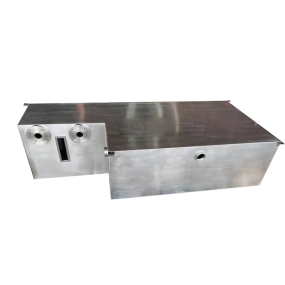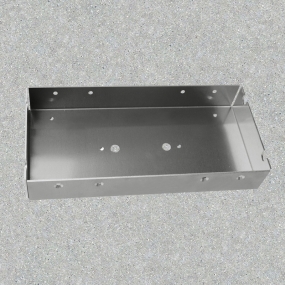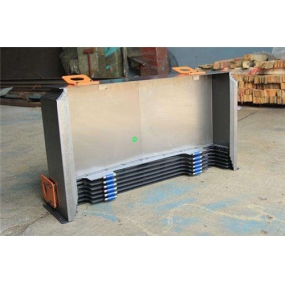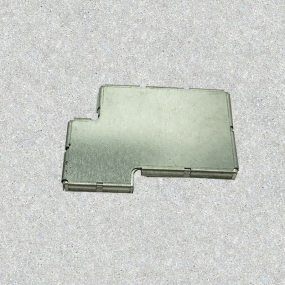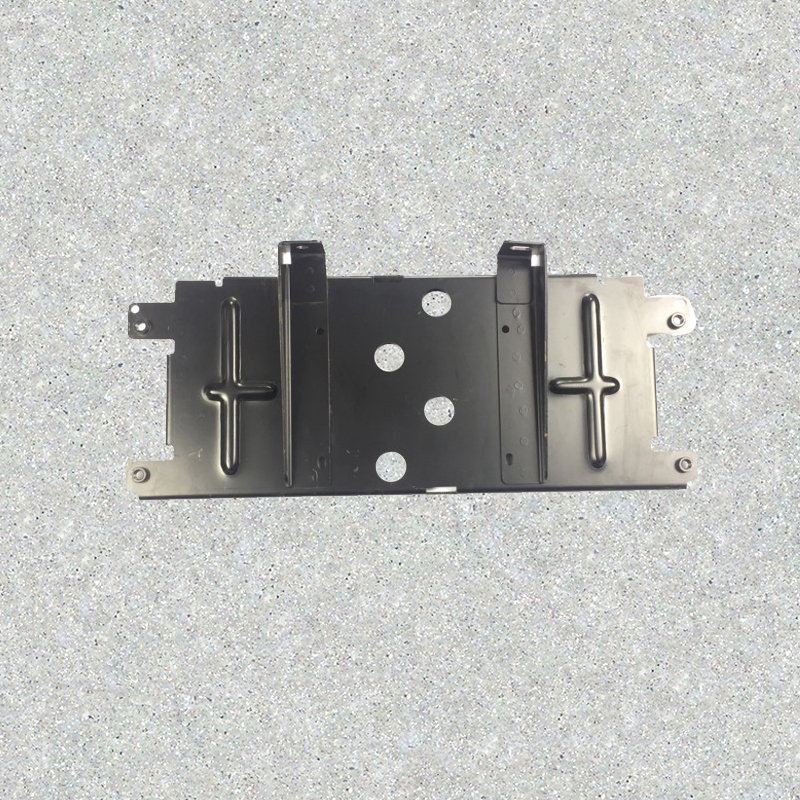
The automotive industry depends on strong, accurate, and reliable metal parts. From car body panels and brackets to engine covers and structural components, many vehicle parts are made through sheet metal processing of automotive parts. This manufacturing process transforms flat metal sheets into finished parts with the required shape, strength, and durability.
For vehicle manufacturers, choosing the right materials, production methods, and quality controls is important because automotive parts must handle vibration, pressure, weather conditions, and daily use. This article explains the main points of automotive sheet metal processing in simple English, including materials, processing methods, quality inspection, customization, and cost control.
Sheet metal processing of automotive parts is a manufacturing process that uses thin metal sheets to create different vehicle components. The process usually includes cutting, stamping, bending, forming, welding, and surface treatment.
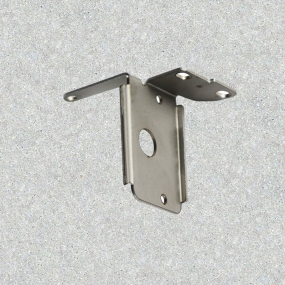
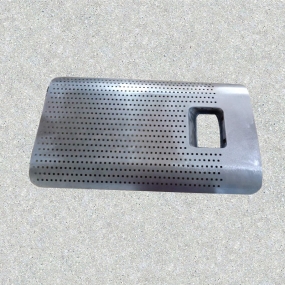
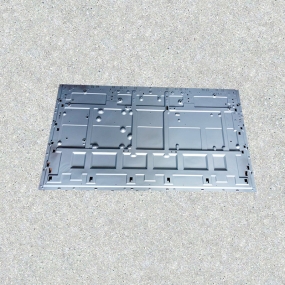
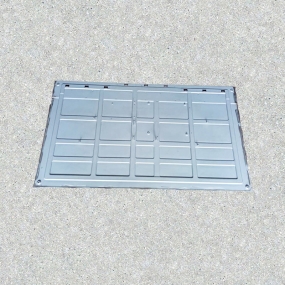
Common automotive sheet metal parts include:
The goal is to produce parts that are lightweight, strong, safe, and suitable for large-scale vehicle production.
The choice of material directly affects vehicle safety, performance, and manufacturing cost. Different automotive applications require different metal properties.
Steel is one of the most widely used materials in automotive manufacturing because it offers high strength and good cost control.
Steel remains popular because it provides a good balance between strength, availability, and price.
Aluminum is becoming more common in modern vehicles, especially electric vehicles, because it is lighter than steel.
Main advantages of aluminum include:
However, aluminum requires special processing skills because its forming and welding characteristics are different from steel.
The manufacturing process must match the design requirements of each automotive component. The following are the most common processing methods for automotive sheet metal parts.
Stamping is one of the most important methods in automotive sheet metal production. A metal sheet is placed into a stamping machine, where pressure forms it into a specific shape.
Advantages of stamping include:
For example, many vehicle doors and hood panels are produced through stamping because thousands of identical parts are needed every year.
Cutting processes prepare metal sheets before forming. Modern manufacturers often use laser cutting because it provides accurate shapes and clean edges.
Laser processing is useful for:
Bending changes flat metal sheets into three-dimensional shapes. Professional forming equipment helps achieve accurate angles and smooth surfaces.
This method is often used for:
Welding connects different metal parts together to create strong assemblies. Automotive manufacturers use welding methods that provide stable joints and long service life.
Proper welding is especially important for safety-related components because weak connections may affect vehicle performance.
Automotive parts must meet strict safety and durability requirements. Quality control in automotive sheet metal processing ensures every part performs correctly before being installed in a vehicle.
Important quality control steps include:
Reliable automotive suppliers usually follow international quality management systems such as IATF 16949, which is widely recognized in the automotive industry.
Different vehicle models have different designs, sizes, and performance requirements. Therefore, customization in sheet metal processing of automotive parts is an important service for automotive companies.
Customized sheet metal processing can support:
For example, an electric vehicle manufacturer may need a customized aluminum battery enclosure with special dimensions and protection features. A flexible sheet metal supplier can adjust the design and production process according to these requirements.
Manufacturers need high-quality parts while controlling production costs. The cost-effectiveness of automotive sheet metal processing depends on several factors.
For example, using advanced cutting equipment and optimized production planning can help manufacturers produce more parts with less material waste.
Automotive manufacturing requires suppliers with strong technical knowledge, reliable equipment, and strict quality management. An experienced partner can help customers move from product design to final production more efficiently.
EMAR provides professional sheet metal processing services for automotive parts, supporting customers with customized solutions, precision manufacturing, and quality inspection processes. With experience in metal fabrication, EMAR helps automotive companies develop reliable components for different vehicle applications.
Whether customers need prototypes, small batches, or large-scale production, a professional sheet metal processing supplier can provide support throughout the manufacturing process.
When selecting a supplier, automotive companies should consider the following points:
A supplier with strong manufacturing capabilities can help reduce production risks and improve the final quality of automotive products.
Sheet metal processing of automotive parts plays an important role in modern vehicle manufacturing. By selecting suitable materials, applying effective processing methods, maintaining strict quality control, and offering flexible customization, manufacturers can create safe and durable automotive components.
As vehicles continue to develop toward lightweight designs and electric power systems, professional sheet metal processing services will become even more important. Companies like EMAR help automotive manufacturers achieve reliable production solutions through advanced technology, manufacturing experience, and customer-focused service.