Spanish
 Arabic
 French
 Portuguese
 Belarusian
 Japanese
 Russian
 Malay
Malay Icelandic
 Bulgarian
 Azerbaijani
 Estonian
 Irish
Irish Polish
 Persian
 Boolean
 Danish
 German
 Filipino
 Finnish
 Korean
 Dutch
Dutch Galician
 Catalan
 Czech
Czech Croatian
 Latin
Latin Latvian
 Romanian
 Maltese
 Macedonian
 Norwegian
 Swedish
 Serbian
 Slovak
 Slovenian
 Swahili
 Thai
Thai Turkish
 Welsh
Welsh Urdu
Urdu Ukrainian
 Greek
Greek Hungarian
 Italian
 Yiddish
 Indonesian
 Vietnamese
 Haitian Creole
 Spanish Basque

Introduction
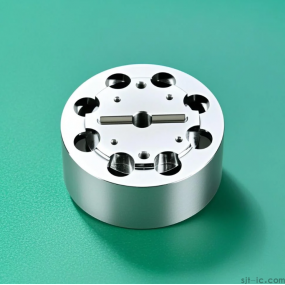
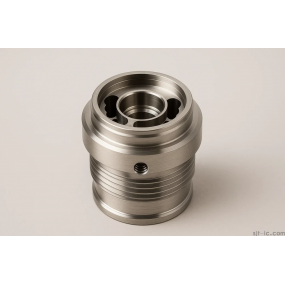
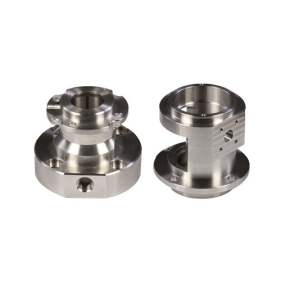
Aluminum is the most widely used non-ferrous metal in the world, and for good reason. When combined with Computer Numerical Control (CNC) machining, it unlocks a world of possibilities for creating lightweight, durable, and highly precise components. Whether you need rapid prototypes or full-scale production runs, understanding the nuances of CNC Machining of aluminum alloy parts is critical for balancing performance, cost, and end-use quality.
From the aerospace industry to consumer electronics, CNC-machined aluminum parts are everywhere. This comprehensive guide from EMAR will walk you through everything you need to know: from material properties and popular alloy grades to advanced machining processes, cutting tools, finishing options, and industry-specific applications. By the end, you will know exactly how to optimize your next project for success.
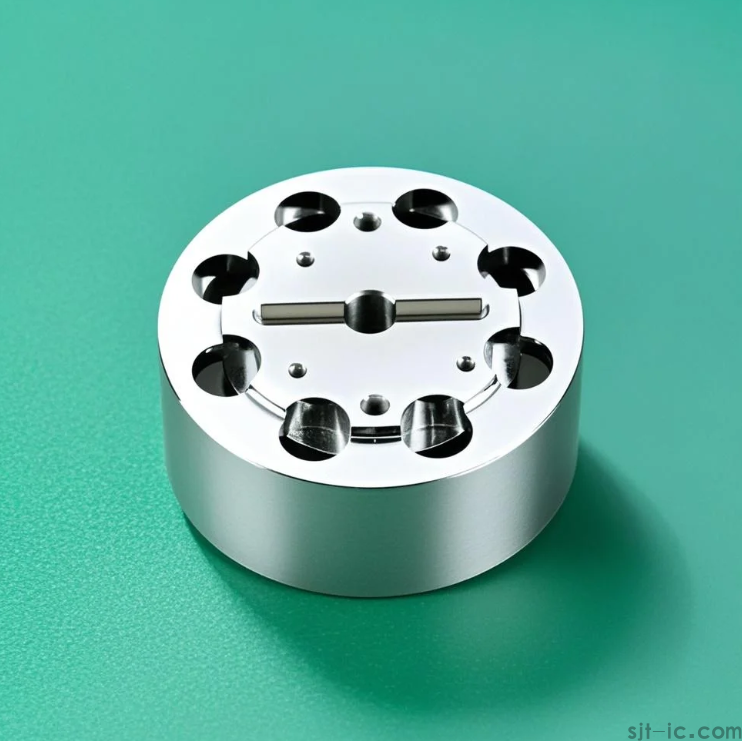
Why Choose Aluminum for CNC Machining?
Aluminum is not just abundant; it is a manufacturing powerhouse. Its unique combination of physical properties makes it a preferred choice over steel and other metals for countless applications.
Key Properties and Advantages
Excellent Strength-to-Weight Ratio: Aluminum is incredibly light (about one-third the weight of steel) yet offers impressive structural strength. This is vital for aerospace, automotive, and portable electronics where every gram counts.
Superior Machinability: Unlike harder metals, aluminum chips cleanly and allows for high-speed machining. This results in faster cycle times, reduced tool wear, and lower overall production costs.
Natural Corrosion Resistance: When exposed to air, aluminum forms a protective oxide layer that shields it from rust and environmental degradation. This can be further enhanced with finishes.
Thermal and Electrical Conductivity: Aluminum conducts heat and electricity better than carbon steel, making it the material of choice for heat sinks, electronic housings, and electrical components.
Versatility and Cost-Effectiveness: It is relatively inexpensive compared to stainless steel or titanium, and it maintains consistent quality across high-volume production runs.
Aluminum vs. Steel: A Quick Comparison
While steel is stronger in absolute terms, aluminum often wins for projects requiring speed and weight savings. Aluminum can be machined three to four times faster than steel, requires less cutting force (preserving tool life), and dissipates heat more efficiently. The trade-off is that steel is harder and more resistant to impact, whereas aluminum is softer and more prone to scratching or denting under extreme force.
A Deep Dive into Popular Aluminum Alloys for CNC Machining
Not all aluminum is created equal. Different alloying elements (copper, magnesium, silicon, zinc) are added to the base metal to enhance specific traits like strength, corrosion resistance, or weldability. Here are the most common grades used by EMAR for precision CNC machining.
6061 Aluminum (The All-Rounder)
6061-T6 is the most versatile and widely used aluminum alloy. It offers a balanced blend of strength, corrosion resistance, weldability, and machinability. It is lightweight, leaves a clean surface finish, and is ideal for structural applications where welding is frequent. Applications: Aircraft parts, bike frames, brake pistons, electrical fittings, and marine components.
7075 Aluminum (The High-Strength Choice)
7075-T6 has zinc as its primary alloying element, giving it the highest strength-to-weight ratio of any aluminum alloy—often twice that of 6061. It boasts excellent fatigue resistance but has lower corrosion resistance than 6xxx series. It is frequently used in high-stress aerospace applications. Applications: Aircraft fittings, gears, shafts, missile parts, and high-performance automotive components.
2024 Aluminum (The Fatigue Fighter)
2024-T4 is known for its high strength and exceptional fatigue resistance. However, it is highly susceptible to corrosion due to its copper content, so it usually requires anodizing or cladding. It is not ideal for welding. Applications: Aircraft structures (wings and fuselage), automotive components, and high-stress structural parts.
5052 Aluminum (The Corrosion Guardian)
From the 5xxx series (magnesium alloyed), 5052-H32 offers excellent resistance to saltwater and harsh chemicals, even without heat treatment. It can be cold-worked to increase strength. Applications: Marine parts (small boats), fuel tanks, hydraulic tubes, kitchen appliances, and electronic chassis.
5083 Aluminum (The Marine Standard)
Similar to 5052 but with higher strength, 5083 offers exceptional corrosion resistance, even in seawater. It retains its mechanical properties at sub-zero temperatures and is often used in shipbuilding. Applications: Pressure vessels, cryogenic applications, and offshore drilling components.
6082 Aluminum (The Structural Powerhouse)
6082 is the strongest alloy in the 6xxx series. It is an ideal alternative to 6061 for highly stressed applications and offers excellent corrosion resistance. Applications: Trusses, bridges, cranes, and transport applications.
6063 Aluminum (The Extrusion Expert)
Often used for extrusions, 6063 is slightly softer than 6061. It offers superior formability and a very smooth surface finish, though it is not as stiff. Applications: Pipes, railings, architectural trim, and window frames.
MIC-6 (The Precision Cast Plate)
MIC-6 is a 7xxx series cast aluminum plate. It is fully stress-relieved, offering excellent dimensional stability and flatness without internal stresses. Unlike wrought alloys, it allows for high-speed machining with little to no distortion. Applications: Tooling, base plates, jigs, fixtures, PCB substrates, and optical industry components.
2011 (The Speed Demon)
Often described as the "butteriest" aluminum, 2011 offers the fastest machining speeds and excellent chip breakage. Its main drawback is low corrosion resistance, requiring anodized finishes. Applications: High-volume production parts, nuts, bolts, and complex gears.
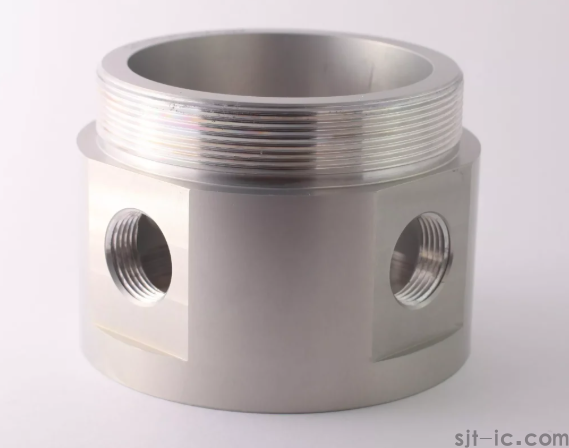
The CNC Machining Processes for Aluminum
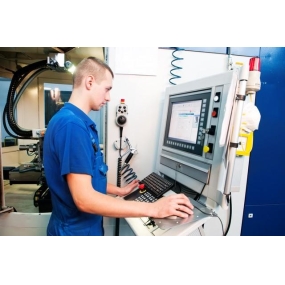
EMAR utilizes a variety of CNC processes to turn raw aluminum blocks into finished parts. The choice depends on the geometry and tolerance requirements.
CNC Milling
This is the most common process. A rotating multi-point cutting tool removes material from a stationary aluminum block. It is ideal for creating complex 3D shapes, flat surfaces, slots, pockets, and precise holes. We primarily use 3-axis to 5-axis configurations for maximum flexibility.
CNC Turning
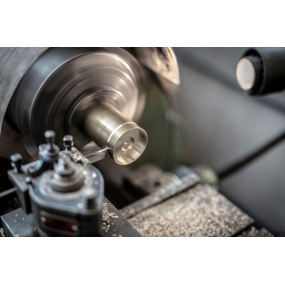
In turning, the aluminum workpiece rotates while a stationary single-point cutting tool shapes the outside or inside diameter. This process is perfect for cylindrical parts like shafts, bushings, threaded rods, and pipes.
Drilling, Boring, and Tapping
These secondary operations create internal features. Drilling makes the hole, boring refines it to precise tolerances, and tapping cuts internal threads.
CNC Routers
For thinner sheets and plates, CNC routers can quickly cut and engrave aluminum with high accuracy, often used for paneling and signage.
Essential Tools and Cutting Strategies for Aluminum
To achieve high-quality results, you cannot use the same tools for steel. Aluminum requires a specific approach to geometry and toolpath.
Cutting Tool Selection (Carbide vs. HSS)
Carbide Tools: At EMAR, we prefer solid carbide tools for production work. Carbide maintains a sharp edge at high spindle speeds and resists heat buildup, offering superior surface finishes and longer tool life.
Grain Size and Cobalt Content: For aluminum, we use tools with a small, uniform carbide grain size and low cobalt content (binder ratio). This maximizes hardness and edge retention.
High-Speed Steel (HSS): While cheaper, HSS dulls faster and limits speed. It is generally reserved for low-volume prototyping.
Flute Design and Helix Angle
3-Flute End Mills: This is the "sweet spot" for aluminum. It balances tool strength with maximum chip clearance, preventing clogging.
High Helix Angles (35°-45°): High helix angles pull chips up and out of the cut zone, reducing recutting and heat buildup. Variable helix tools also help reduce chatter.
Clearance Angle
A clearance angle between 6° and 10° is optimal. Too large an angle causes the tool to dig in; too small creates friction and heat.
Feeds and Speeds
Aluminum likes speed. Recommended cutting speeds for carbide tools range from 900 to 1800 surface feet per minute (SFM). Slow feed rates cause rubbing (friction) rather than cutting, which generates heat and ruins the tool. The goal is to produce thick, well-formed chips that carry heat away from the cutting edge.
Common Challenges and Solutions in Aluminum Machining
While aluminum is machinable, it has unique "personality quirks" that must be managed.
1. Built-Up Edge (BUE)
Because aluminum is soft and sticky, it can weld itself to the cutting tool edge, masking the sharpness and ruining the surface finish.
Solution: Use sharp, polished carbide tools with high rake angles. Apply proper coolant (flood or mist) and adjust cutting speeds to avoid friction welding.
2. Heat and Thermal Expansion
Aluminum has a high coefficient of thermal expansion. If the part gets too hot, it expands, making it impossible to hold tight tolerances. As it cools, it may warp.
Solution: Use toolpaths that avoid lingering in one area (trochoidal milling). Ensure adequate chip evacuation to remove heat.
3. Deformation of Thin Walls
Thin walls (under 1mm) can vibrate or deflect under cutting pressure.
Solution: Keep wall thickness above 0.020 inches where possible. Use proper work-holding fixtures to support the part. Reduce radial engagement.
Surface Finishing Options for CNC Aluminum Parts
Raw machined aluminum works, but finishing enhances aesthetics, durability, and corrosion resistance. EMAR offers several standard finishes.
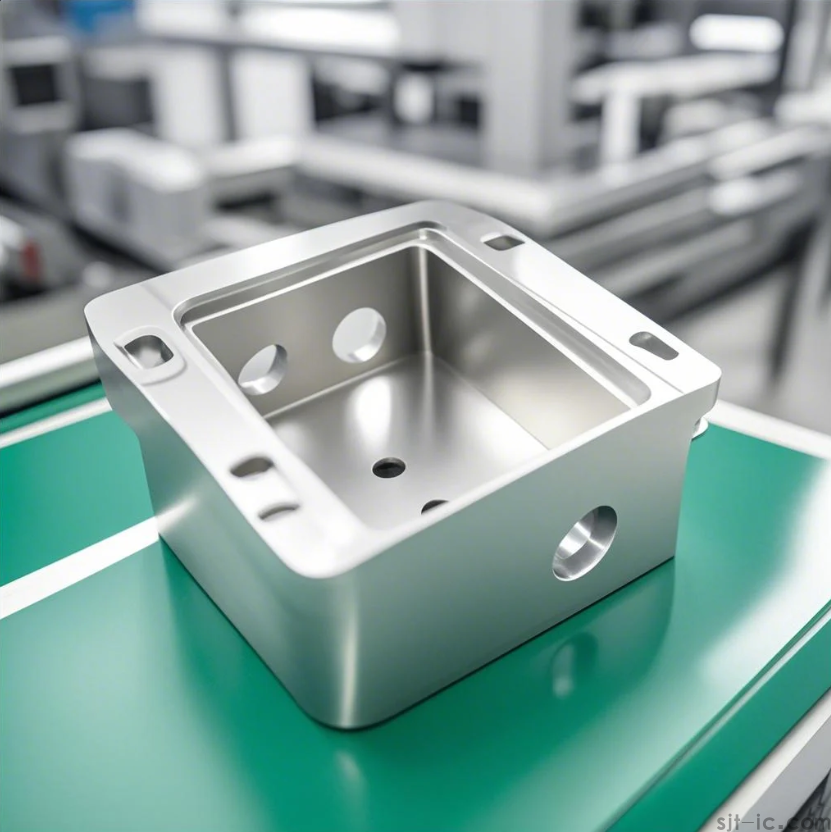
Anodizing (The Gold Standard)
Anodizing thickens the natural oxide layer through an electrochemical process. It leaves the surface non-conductive and highly durable.
Type I (Chromic Acid): Thin, ductile coating. Ideal for welded assemblies and aerospace parts. Excellent primer for painting.
Type II (Sulfuric Acid): Harder and thicker than Type I. Used for consumer products, automotive parts, and hydraulic valve bodies.
Type III (Hard Anodize/Hardcoat): The thickest and hardest coating. Provides maximum wear resistance for heavy-duty military, marine, and industrial applications.
Bead Blasting
Spraying tiny glass beads at high pressure creates a smooth, matte, uniform satin finish. It removes tool marks effectively and is often used before anodizing (e.g., laptop housings).
As-Machined
No post-processing. Suitable for functional prototypes where cosmetics don't matter. Visible tool marks will remain.
Powder Coating
A dry powder is electrostatically applied and cured under heat. This creates a thick, durable, colored layer that is extremely resistant to chipping and chemicals.
Industry Applications for CNC Machined Aluminum
Thanks to its versatility, aluminum is the backbone of modern manufacturing.
Aerospace: Aircraft fittings, fuselage panels, wing spars, and missile components (utilizing 7075 and 2024).
Automotive: Lightweight structural parts, engine components, brake pistons, shafts, and EV battery housings.
Consumer Electronics: Smartphone enclosures, laptop bodies, camera housings, and heat sinks (using 6061 or 5052).
Medical Devices: Surgical instruments, MRI components, and pharmaceutical machinery (due to non-toxic and corrosion-resistant properties).
Industrial Equipment: Robotics frames, linear guides, fixture plates, and pneumatic components.
Marine & Cryogenics: Boat hulls, pressure vessels, and equipment for sub-zero temperatures (5083 and 5052).
Why Partner with EMAR for Your Aluminum CNC Needs?
Choosing the right manufacturing partner is critical for project success. At EMAR, we combine advanced technology with deep metallurgical expertise to deliver superior results.
Certified Excellence: We are ISO 9001:2015, ISO 13485, and AS9100D certified, ensuring strict quality control for medical and aerospace standards.
Advanced Tooling Strategy: We exclusively use specialized carbide tooling with optimized 3-flute and high-helix geometries to prevent BUE and ensure mirror-like surface finishes.
End-to-End Solutions: From instant quoting and prototyping to full-scale production and finishing (anodizing, bead blasting), we manage the entire lifecycle of your part.
Fast Turnaround: Our machining parameters are optimized for speed without sacrificing accuracy, reducing your time-to-market.
Conclusion
CNC machining of aluminum alloy parts offers an unbeatable combination of speed, precision, and material performance. Whether you need the high strength of 7075, the corrosion resistance of 5052, or the versatility of 6061, understanding the nuances of the alloy and the machining process ensures you get a part that fits both your budget and your engineering requirements.
By utilizing the correct cutting tools (carbide, high helix), managing heat through chip evacuation, and applying the right finish (anodizing), you can transform raw aluminum into world-class components.
Ready to start your next project? Contact EMAR today to speak with an expert or request a quote.
Phone: +86 18664342076
Email: sales8@sjt-ic.com