Spanish
 Arabic
 French
 Portuguese
 Belarusian
 Japanese
 Russian
 Malay
Malay Icelandic
 Bulgarian
 Azerbaijani
 Estonian
 Irish
Irish Polish
 Persian
 Boolean
 Danish
 German
 Filipino
 Finnish
 Korean
 Dutch
Dutch Galician
 Catalan
 Czech
Czech Croatian
 Latin
Latin Latvian
 Romanian
 Maltese
 Macedonian
 Norwegian
 Swedish
 Serbian
 Slovak
 Slovenian
 Swahili
 Thai
Thai Turkish
 Welsh
Welsh Urdu
Urdu Ukrainian
 Greek
Greek Hungarian
 Italian
 Yiddish
 Indonesian
 Vietnamese
 Haitian Creole
 Spanish Basque

Feeling frustrated searching for "CNC Machining car parts" online, only to be flooded with generic suppliers who don't understand the precision and reliability your project demands? You're not alone. Many engineers and procurement managers hit this wall. The real question isn't just about finding a CNC shop, but finding one that truly gets the tight tolerances, material integrity, and on-time delivery critical for performance automotive modifications. Let's break down this challenge and find a clear path forward.
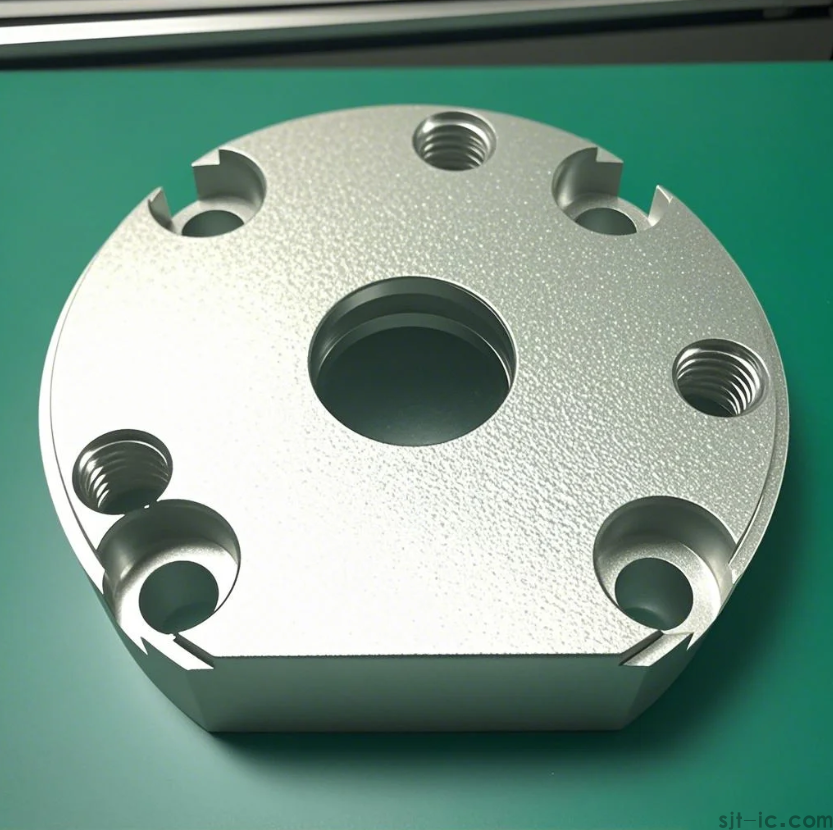
What's the Core Problem When Sourcing CNC Car Modification Parts?
The main issue isn't a lack of options, but a surplus of mismatched options. You might need a complex billet aluminum intake manifold, but many machine shops listed for "CNC machining" primarily handle simple, low-precision work. The gap lies in specialized expertise for automotive-grade parts, which involves specific alloys, finishing processes like anodizing, and rigorous quality checks. A shop experienced in general fabrication might not grasp the stress factors a turbocharged engine component endures.
Key Factors to Vet a CNC Machining Partner for Auto Parts
Don't just look at their website gallery. Dig deeper. Here’s what I often check, based on trial and error:
1. Material Certifications: Can they provide mill certificates for the aluminum 6061-T6 or 7075 they use? This is non-negotiable for strength-critical parts.
2. Tolerance Talk: Ask about their standard holding tolerance. If they hesitate or say "±.1mm is fine," that might be a red flag for engine components. You often need ±.025mm or better.
3. Post-Processing Capability: The part isn't done after milling. Do they offer in-house heat treatment, surface finishing (bead blasting, anodizing), or coordinate measuring machine (CMM) inspection? This streamlines everything.
I've found that shops comfortable discussing these details upfront tend to be more reliable. However, it's worth mentioning that having all services in-house isn't always possible for smaller shops; sometimes trusted partnerships with finishers work well too.

Why "Design for Manufacturability" (DFM) Feedback is a Golden Sign
A great partner won't just take your CAD file and run with it. They'll review it and suggest modifications to make it stronger, easier to machine, or more cost-effective without sacrificing function. This collaborative DFM feedback perhaps suggests they have practical, hands-on experience with automotive parts. For instance, they might recommend adding a slight radius to a sharp internal corner to prevent stress cracking—a small change with big implications for durability.
Balancing Cost, Lead Time, and Quality: The Eternal Triangle
We all want it fast, cheap, and perfect. The reality? You can usually only pick two. My personal view: for car modification parts, never compromise on quality to save a few dollars or days. A failed bracket or a poorly machined valve cover can lead to catastrophic failures. A reliable shop will be transparent about their lead times and won't promise impossibly fast turnaround if it risks quality. Planning your procurement timeline around their honest schedule is better than facing delays later.
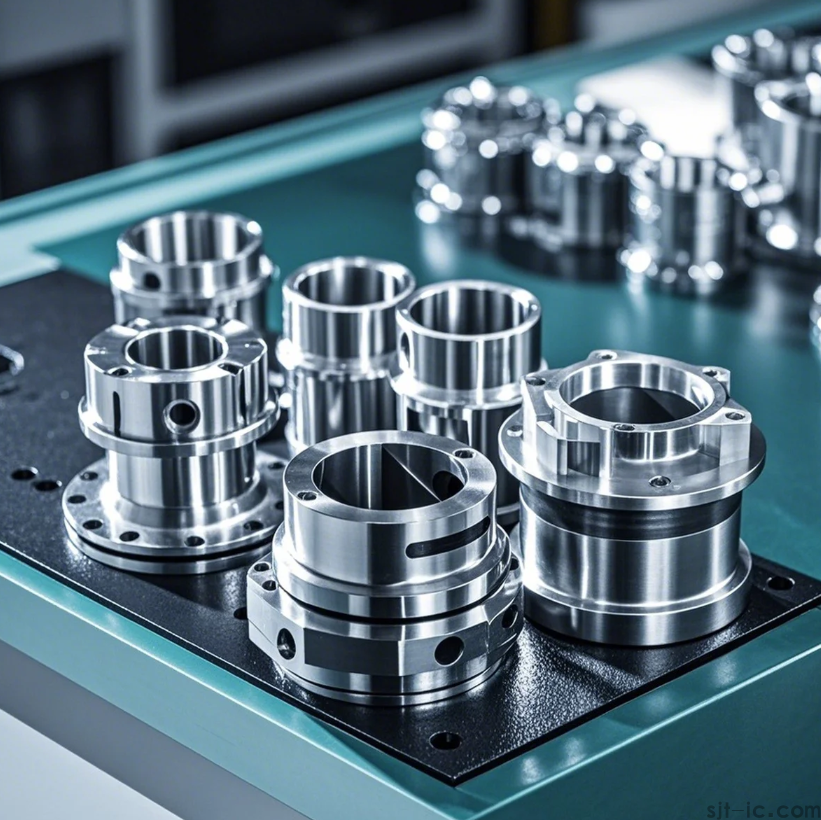
Taking the Next Step: How to Initiate a Successful Project
Ready to move from searching to doing? Have your technical package ready: clean 3D CAD files (STEP or IGES), 2D drawings with critical dimensions and tolerances highlighted, material specs, and desired finish. Send this to a shortlist of shops. Their response time, the clarity of their questions, and the detail in their quote will tell you more than any marketing brochure. The right partner will make you feel confident, not confused.
If you've got your designs ready and are looking for a machining service that speaks "high-performance automotive" fluently, and values clear communication as much as precision tooling, the next logical step is to start a direct conversation. 👉 Get a precise quote and DFM analysis by contacting our technical team today. Let's turn your design into a part you can trust on the track or the road.